Colombia Earthquake Survivors Shelter in Ruins as Families Search for Safety After Deadly Quake

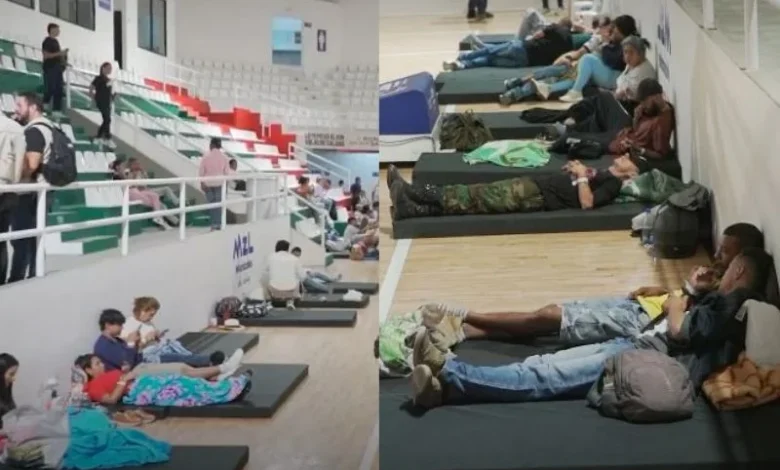
A powerful earthquake has devastated western Colombia and it’s far from over for thousands of families. Earthquake Survivors are now sleeping next to their damaged homes and in temporary camps, unwilling to abandon what little of their lives is left, even as aftershocks continue to rattle the region.
What happened in Colombia?
The strongest quake so far this century in Colombia was a 7.4-magnitude quake near San Jose Del Palmar in western Colombia on August 10, 2026. The quake, which struck all 32 departments, was felt as far away as neighboring Ecuador and Venezuela. The death toll has risen to more than 280 days later, with thousands injured and hundreds still missing. More than 12,000 houses have been destroyed and over 74,000 damaged, mainly in the departments of Risaralda, Caldas, Valle del Cauca and Choco.
Why Survivors Are Hiding in the Ruins
Many residents in Pereira and Cali refuse to sleep indoors, even in standing homes. Cracked walls, collapsed floors and the constant threat of aftershocks – more than 130 recorded so far – have pushed families into parks, sports fields and school buildings turned into emergency shelters. For one nurse who spoke to Reuters from her badly damaged home in Pereira, the proximity to the wreckage is not about comfort but about holding on to what little is left.
How help is reaching families in need
Colombia’s government has declared a national state of emergency and promised rental subsidies for displaced families. International partners, including the United States, have pledged emergency funding and humanitarian groups are distributing water, food and medical care in the hardest-hit areas. But places like the Choco are hard to get to, making it difficult to get aid in.
What Can Displaced Families Do Now
• Sign up with local emergency shelters or community centers for food, water and medical assistance.
• Stay out of any building that has been cracked or destabilized until engineers declare it safe.
• Keep an emergency kit available should there be more aftershocks.
• Get informed with the official information of the Unit of Disaster Risk Management of Colombia.
• Seek shelter and mental health support from humanitarian organizations like CARE or the Red Cross.
• Aftershocks are most dangerous for elderly neighbors, children and pregnant women, so check on them.
The Long Road Back to Health – earthquake survivors
“It will take years to rebuild, not weeks.” For now, survival looks like a tent in a park, a shared meal with neighbors, and the daily hope that the ground will stay still. The resilience seen across Pereira, Cali and Choco is a reminder that recovery starts with the community long before it starts with concrete.
Stay informed with related updates.
Is Vanuatu Safe To Visit?
Check out the latest travel advice after the earthquake.
Why Is Bhutan Seismically Active?
Find the reasons behind frequent Himalayan earthquakes.
What Triggered Russia’s Volcano Eruption?
Uncover how earthquakes may have sparked the eruption.
Can Climate Trigger More Earthquakes?
Look into the science behind this growing question.
Why Are Fuego Residents Evacuating?
See why authorities ordered communities to move.