

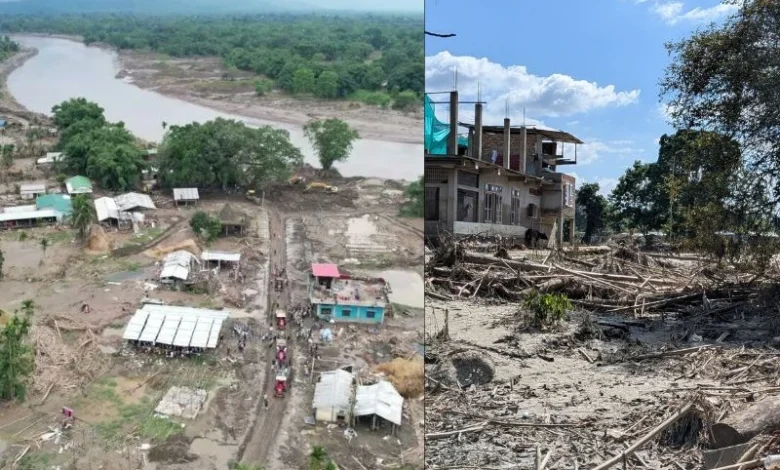
Every monsoon, news channels run the same images of Assam—inundated villages, boats sailing through flood-ravaged streets, and families sitting atop their roofs waiting to be rescued. But the story of the 2026 Assam floods is more than simply rain. This year more than 80 people were killed and 1.8 lakh were affected, many of them in districts where flooding almost never occurs. But the real story is not how much rain fell, but why the state continues to be unable to cope with it.
Why This Year’s Floods Are Different
The odd thing about 2026 was that the worst flooding didn’t just come from the mighty Brahmaputra River overflowing its banks. Even before the Brahmaputra had crested, sudden cloudbursts upstream had triggered flash surges down smaller rivers such as the Dikhow and Dhansiri. That created a dangerous buildup of water that pushed into areas never before flooded, surprising residents.
A Human-Made Problem, Disguised as Nature
About 40 percent of Assam is flood-prone. The Brahmaputra is carrying a huge amount of sediment and naturally erodes the banks over a period of time. But experts say human choices are making things worse. Over the years, deforestation on the hills, unregulated mining and the slow loss of wetlands that used to absorb surplus water have all eaten away at the state’s natural flood buffers. “Unplanned development on riverbanks puts more people and property at direct risk.
Who pays the highest price?
Flood damage in Assam is seldom evenly spread out. Farmers are losing their entire paddy crops just before harvest. The fisherman sees his boats and nets disappear. Road and market submersion in week one means loss of income for daily wage workers. Waterborne disease and displacement into overcrowded relief camps are especially risky for children and the elderly.
What readers and communities can get out of it
Though the response of the government can be slow, some practical steps may reduce the damage:
• He said before the heavy rain season, people should watch out for local disaster management warnings and river level bulletins.
• Support wetland and forest protection in areas of flood-prone rivers to provide natural buffers for water.
• Community-based early flood warning systems in flood-prone villages.
• Back confirmed relief organizations working directly in the affected districts rather than waiting for the headlines to fade.
• Demand better embankment maintenance and river management, not relief funds after every disaster.
A Warning to Flood-Prone Areas Everywhere
The Assam crisis is a warning for any region where rivers, forests and human development meet. Heavy rain causes floods, but bad infrastructure, lost wetlands and bad land use planning determine how bad the damage is. The repetition of this pattern in Assam year after year demonstrates that the approach of viewing floods as a weather event in a single season and not a failure of long-term planning guarantees the next disaster.
Conclusion – Assam floods
The 2026 Assam floods tell us one thing: heavy rain is the trigger, but human choices on forests, rivers and construction are what decide the outcome. The real protection for communities vulnerable to floods is not the hope that the next monsoon will pass quietly but the investments we make today in river management, wetland protection and local early warning systems.
Explore More: Discover the Ideas and Innovations Shaping Tomorrow
Which Technologies Will Transform Industries Next?
Discover the breakthrough technologies that could reshape traditional industries and the future of work.
Why Are Wetlands So Important Globally?
Explore the world’s most important wetlands and learn why they are vital for nature and humanity.
Can Innovation Improve Renewable Energy Reliability?
Check out the latest innovations making renewable energy cleaner, smarter, and more dependable.
Which Countries Lead Green Living?
Discover the 2026 ranking of the world’s greenest countries and their sustainability achievements.
How Are Cities Fighting Climate Change?
Explore the cities investing in climate-resilient infrastructure to prepare for a changing future.