Could Pet Flea Treatments Be Poisoning Rivers and Harming UK Wildlife?
Could pet flea treatments be poisoning rivers and harming UK wildlife? Learn how chemicals affect ecosystems, aquatic life, and conservation efforts today.

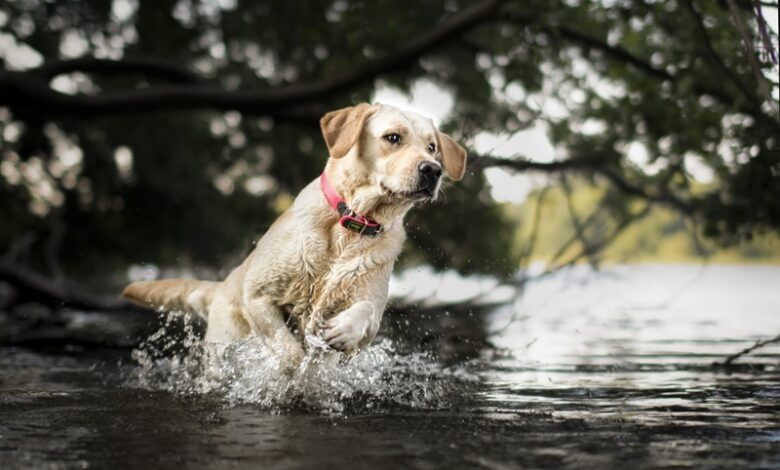
Are pet flea treatments adding to pollution in UK rivers? There’s growing evidence that some pet products used on cats and dogs leave behind chemicals that find their way to waterways. The concern is now drawing the attention of scientists, environmental groups and UK regulators.
The journey of pet flea treatments to UK rivers
Many of the spot-on flea and tick products contain chemicals like fipronil and imidacloprid. These substances are meant to kill parasites, but they can also leave residues on an animal’s skin and fur.
There are several ways the chemicals can enter the environment. Swimming in a river, lake or pond by a treated dog. Pet owners may also wash pets, bedding or their hands after treatment, which can allow residues to enter wastewater.
The UK government has monitored these substances in waterways at levels that could be harmful to aquatic insects including mayflies and dragonflies.
Pet Flea Treatments Spark Wildlife Concerns — Here’s Why
Aquatic insects play a key role in freshwater environments. They give food to fish, birds and other animals. Chemical pollution can diminish insect populations, with knock-on effects through the wider food chain.
This is especially so in places like the Norfolk Broads where wetlands are host to a vast array of wildlife. The Broads Authority has warned that residues from flea treatments can end up in waterways through washing and dogs swimming that have been treated.
What the UK government is up to
The UK Veterinary Medicines Directorate has put in place measures to reduce environmental contamination while continuing to allow access to essential parasite treatments for pets.
In April 2026 the government launched a call for evidence on fipronil and imidacloprid. Officials are looking at whether these medicines should be sold with professional advice.
The government also launched its “Be Spot-On Aware” campaign encouraging owners to plan, apply and protect when using these products.
Easy Steps Pet Owners Can Follow
Pet owners don’t have to ignore flea and tick problems. But used carefully it can reduce unnecessary exposure to the environment.
- Consult a vet to see if regular treatment is necessary.
- Be sure to follow the directions on the product carefully.
- Apply the medicine on the skin as a spot-on.
- Do not wash the pet soon after treatment.
- Avoid contact with natural water, such as rivers, for the recommended period after treatment.
- Do not rinse pipettes down the drain and dispose of empty pipettes properly.
- Follow the care instructions on the tag for washing.
Discover more wildlife stories.
What Lives In Kerala Backwaters?
Spot the amazing birds and aquatic wildlife.
Why Is Bird Flu Spreading?
Find the latest updates on wildlife health risks.
Which Parks Hide Rare Wildlife?
Uncover Mongolia’s best-kept natural treasures.
Where Are Kenya’s Best Safaris?
Browse the top wildlife adventures to experience.
Why Visit Kaziranga This Year?
Explore one of India’s top wildlife destinations.
Why This Is Important Outside of the UK
The UK experience raises a much wider environmental issue. Animal health products may still affect ecosystems after they have been used. Countries around the world are looking at how everyday household products contribute to water pollution.
The message is not to stop protecting animals for pet owners. The goal is to use treatments responsibly and to balance the risks to the environment and animal health.
Conclusion
Increasingly, common household decisions are raising concerns, for example, pet flea treatments impacting rivers and wildlife. Some of the chemicals used in pet flea treatments are getting into waterways and more research and regulatory review is being undertaken, evidence from the UK shows. Responsible use can help to minimise this impact and keep pets safe.
Follow veterinary advice, keep the water free from harmful chemicals and protect your pet.