The Science of Petrichor: Why Rain Smells So Good and What It Reveals About Ancient Earth
Learn how Petrichor Science explains Earth's fresh rain scent, ancient soil bacteria, and raindrop physics.

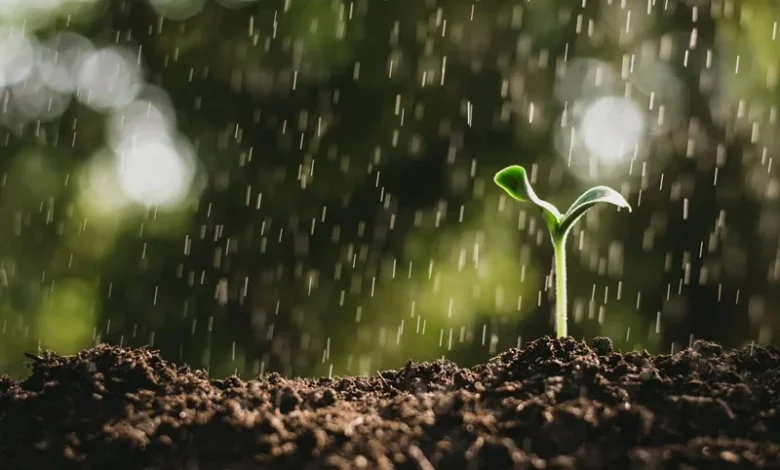
That unmistakable smell just before or after a downpour, with a scientific name, is one of the oldest scents on the planet. Scientists only fully understood this earthy scent, called petrichor, a few decades ago. It is the result of a combination of soil bacteria, plant chemicals, and physics working in concert. This scent evokes a strange sense of comfort and nostalgia to people everywhere, from farmers in remote villages to city dwellers watching rain fall on the pavement. What is really happening is this.
What is a petrichor?
Petrichor is a portmanteau of the Greek words “petra” (stone) and “ichor” (the fluid believed to course through the veins of Greek gods). The term was coined by Australian researchers Isabel Bear and Richard Thomas in 1964 while studying why dry earth emits a distinct smell when wet. They discovered that when times are dry, plants secrete certain oils into the soil and rocks. When it rains eventually, the oils combine with other compounds and are released into the atmosphere.
The Smelly Bacteria
A lot of the credit for the smell of petrichor goes to a compound called geosmin, produced by bacteria in the soil called actinomycetes, in particular the genus Streptomyces. When the spores of these microbes are disturbed, they release geosmin as a byproduct. Human noses are highly sensitive to geosmin, able to detect it at concentrations as low as five parts per trillion, which is why the smell feels so strong even from a small amount of rain.
How Raindrops Actually Release the Smell
There’s a mechanical element to petrichor, too. A raindrop hitting a porous surface like dry soil traps tiny air bubbles that shoot up and burst, releasing aerosols into the atmosphere. These are laden with geosmin, plant oils and, on occasion, particles of ozone that get lifted into the air we breathe, which is why the smell often precedes visible rainfall reaching the ground.
What it tells us about the early Earth
Some researchers speculate that geosmin production could be an evolutionary signal because actinomycete bacteria have been around for hundreds of millions of years. “Maybe it helps spread the bacterial spores or attracts insects that help disperse them,” says one researcher. Through this ancient chemical relationship, scientists learn about early microbial ecosystems and how life adapted to dry-wet cycles long before humans were around.
Quick Facts Checklist
•Australian scientists gave it the name “petrichor” in 1964.
•The smell comes mostly from geosmin, a compound produced by bacteria in the dirt.
•Humans can detect geosmin at surprisingly low levels.
•Raindrop aerosols physically carry the scent up into the air.
•The bacteria involved are hundreds of millions of years old.
Conclusion
Petrichor is much more than just a nice smell after it rains. It’s a little everyday reminder of ancient bacterial life, plant survival strategies and simple physics coming together. When it rains next, that familiar earthy smell is the Earth softly whispering a story millions of years in the making.
Stay ready for every weather update.
How Is Japan’s Climate Changing?
Find the latest impacts of rising heat and heavy rainfall.
Can You Claim Monsoon Damage?
Check your car insurance options after storm damage.
Is Your Home Monsoon Ready?
Go through essential fixes before heavy rain arrives.
Will Heavy Rain Hit Soon?
Track down the latest flood warnings and rainfall updates.
When Will Monsoon Finally Arrive?
See the expected rainfall timeline across India.