
Bordeaux and Madrid Are Burning: Why Every Family, Everywhere, Needs a Wildfire Evacuation Plan Now
Wildfire Evacuation Plan helps families prepare with go-bags, escape routes and emergency alerts, improving safety during fast-moving wildfires.

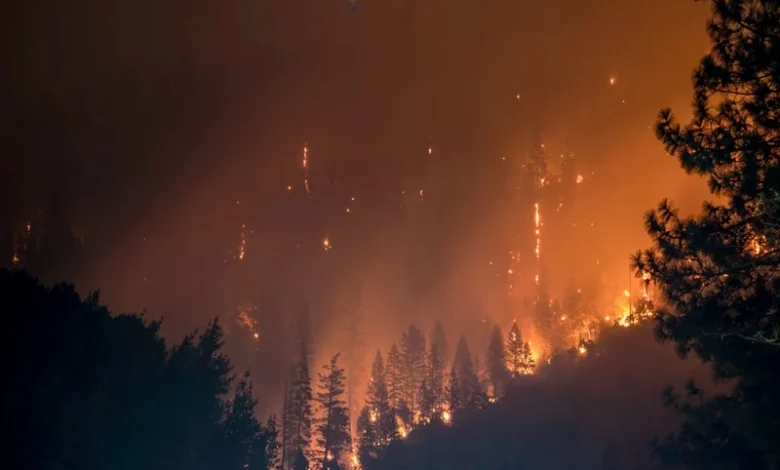
Wildfires are no longer a problem for one country or one season. Over the weekend, fast-moving flames near Bordeaux in France and near Madrid in Spain forced around 300,000 people out of their homes in a matter of days. Thousands of firefighters, planes and soldiers are still battling the blazes. For families watching from other continents, this is not a distant news story. It is a preview of what a growing number of communities, from California to Australia to the Mediterranean, may face as summers get hotter and drier.
Why Wildfire Risk Is No Longer a Local Problem
Climate scientists have long warned that rising temperatures, drought and shifting wind patterns make wildfires spread faster and further than before. The fires near Madrid burned tens of thousands of hectares within days, an area many times larger than a major city. Emergency services everywhere, no matter how well funded, can be overwhelmed when several large fires break out at once. This means household preparedness matters as much as government response.
Building a Wildfire Evacuation Plan That Works Anywhere
You do not need a big budget or special training to prepare. A few practical, low-cost steps can protect your family and reduce panic if an evacuation order ever comes:
- Agree on a family meeting point outside the danger zone and a backup one further away.
- Save local emergency alert numbers and download your area’s official warning app if one exists.
- Keep fuel tanks or transport passes topped up during dry, windy seasons.
- Photograph important documents and store copies on a cloud drive or a basic mobile wallet app.
- Pack a ready-to-grab go-bag with medicines, chargers, cash, a torch and copies of ID.
- Practice your evacuation route at least once so it is not new information under stress.
What to Keep in Your Go-Bag
- Water and light, non-perishable food for two to three days.
- Prescription medicines, glasses and a basic first-aid kit.
- Phone charger, power bank and a battery or hand-crank radio.
- Cash in small notes, since card networks and power can fail.
- Sturdy shoes, a mask, and a change of clothes near the door.
Working With Local Systems
Even where national budgets for climate resilience are tight, local fire services, town councils and community radio stations are usually the fastest source of accurate warnings. Many regions now offer free SMS or app-based alerts. Signing up costs nothing and can give a household precious extra minutes to leave safely.
Conclusion
The scenes from Bordeaux and Madrid are a reminder that wildfire evacuation is becoming a shared, global concern rather than a rare event. Families who prepare a simple plan and a packed go-bag before smoke is on the horizon give themselves the best chance of leaving quickly, safely and with what matters most. Do not wait for a warning siren to start planning.
Stay Ahead of Wildfire Risks
Are California Wildfires Improving Now?
Check out the latest prevention strategy updates.
Why Did Chile Declare Emergency?
Find out what fueled the devastating wildfires.
Why Are Forest Losses Rising?
Uncover how wildfires are accelerating tree-cover loss.
Which Countries Face Most Wildfires?
Browse the global wildfire hotspots explained.
Can AI Predict Disaster Risks?
See how AI supports faster emergency response.


