How Rising Sea Temperatures Are Shrinking Fish Catches and Fishing Communities’ Incomes
Rising Sea Temperatures are reducing fish catches, hurting fishing communities' incomes and forcing coastal families to adapt to changing oceans.

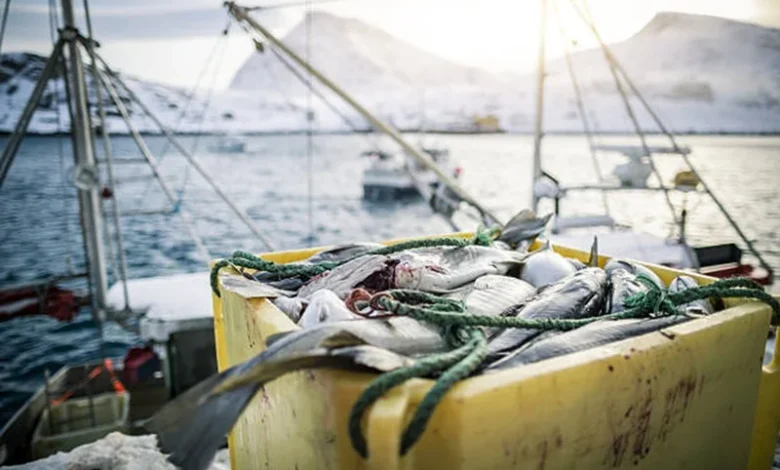
Coastal families have always depended on the sea for food and income—from Southeast Asia to West Africa. But as ocean temperatures keep climbing, fish are moving to cooler waters and boats that used to come back full are coming back less full. What was once a seasonal concern has become a daily reality for fishing communities whose livelihoods depend on the ocean’s bounty.
Why Warmer Water Equals Less Fish
Fish are temperature-sensitive animals. Sardines, mackerel and anchovies are among the species that move into deeper or cooler areas as coastal waters get warmer to survive. Small-scale fishers, who usually fish close to shore in basic boats without cold storage, cannot chase the fish that far. Warmer water also retains less oxygen and interferes with breeding cycles so even the fish that remain are fewer and smaller.
How This Impacts Household Income
For millions of families, fishing is not a sideline. It covers school fees, medicine and daily meals. When the catches come in, several things go on at once:
•Daily earnings decline because there’s just less to sell at the market.
•Boats must go further to find fish, incurring extra fuel and time costs.
•Fish prices increase in local markets affecting sellers and buyers alike.
•Fish-processing, drying and selling women at the harbor also lose income.
•The younger generation in the family often leaves fishing altogether for city jobs.
Support from government and local
Almost all fishing nations have some form of support system even if funding is limited. In the Philippines, the Bureau of Fisheries and Aquatic Resources implements livelihood and boat assistance programs while local government units issue advisories for weather and sea conditions. In countries like Senegal and Ghana in West Africa, fisher cooperatives often trade with early warnings for poor catch seasons. Fishing households are increasingly turning to mobile money services like GCash and Maya and mobile banking apps popular in Asia and Africa to save small sums and access microloans, moving away from informal moneylenders.
What fishing families can do today
Policy change takes years, but households can take steps now to protect their income.Check local weather and sea temperature advisories before you go.Join a fisherfolk cooperative to share equipment, gain pricing power and get early warnings.Save small amounts on a regular basis with mobile wallets or informal savings groups.Fish processing, small trading or seasonal work on land for income diversificationAsk local government or cooperative offices about boat repair and livelihood assistance.When catches are low, seek out cooperative credit and avoid informal high-interest loans.
Conclusion
Gone are the days when rising sea temperatures were a distant scientific concern. They are already altering how much fishing families make and how far they have to go to make it. Governments and researchers are working on long-term solutions but coastal households can protect themselves today by staying informed, joining cooperatives, saving through mobile tools and diversifying their income. The sea is changing, and those families that adapt early will be best placed to weather it.
More coastal climate updates.
Why Are Coastal Heatwaves Intensifying?
Find the reasons behind rising risks.
Which Cities Face Heavy Rain?
Check out the latest weather path.
Why Are Villages Relocating Now?
Explore the growing climate challenges.
How Do Mangroves Protect Coasts?
Discover nature’s coastal defense.
Why Are Flood Risks Growing?
Browse the latest infrastructure concerns.