Preserving the Thousand: Why Andaman’s 1,032 Exclusive Species Require Urgent Protection
Explore why 1,032 endemic species in the Andaman Islands need urgent protection from habitat loss, climate change and poaching to secure biodiversity.

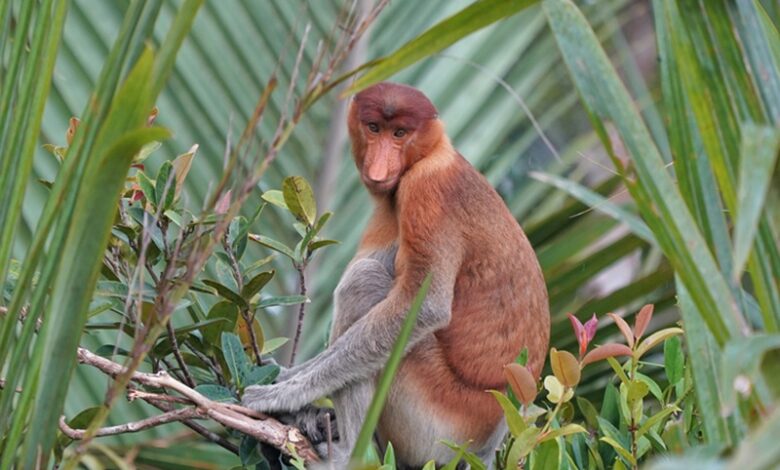
Nestled in the Bay of Bengal, the Andaman and Nicobar Islands are home to over a thousand species of animals that are found nowhere else on earth. The isolated archipelago is one of the world’s most important biodiversity hotspots—and one of the least discussed. With development pressure and climate change reaching even these remote shores, the question is no longer whether these species need protection, but how quickly action can be taken.
Endemic Wildlife of the Andaman—The Magnitude
A landmark study by the Zoological Survey of India recorded over 9,100 animal species across the islands and found that 1,032 species are endemic — found only here and nowhere else on Earth. That’s around 11 percent of all known species. The islands have been isolated from mainland India for tens of millions of years, and this long isolation allowed unique creatures to evolve along their own separate path.
Among the best examples are the following:
- The Nicobar megapode is a mound-nesting, ground-dwelling bird and the only megapode species in South Asia.
- Mammals adapted to island life, including the Andaman wild pig and the Nicobar flying fox.
- The Nicobar treeshrew: a critically endangered small mammal now valued in biomedical research.
- Rare orchids, fig trees and palms like Bentinckia nicobarica, found only in Nicobar forests
Why These Species Are Threatened
This isolation that produced this rich endemic life also makes it fragile. With small populations on limited island space, it is difficult to overcome setbacks. There are several pressures converging at once:
- There have been reports of poaching increasing in recent years, despite administrative efforts to control it.
- Habitat loss through infrastructure and settlement expansion continues to reduce habitat.
- Major and long-term damage to forest and coastal ecosystems was caused by natural disasters like the 2004 tsunami.
- Climate change is impacting both land and marine species by changing rainfall patterns and warming coastal waters.
- Many endemic species are poorly studied because of limited local research capacity, so it is difficult to track their real population status.
What protection looks like on the ground
Meaningful conservation in Andaman and Nicobar is not one single act. It requires a mixture of enforcement, monitoring and community engagement, such as
- The forest department is improving patrols in wildlife corridors to prevent poaching.
- Wider scientific surveys to adequately quantify population numbers of lesser-known endemic species.
- Engaging local and tribal communities with traditional knowledge of island ecosystems in conservation planning.
- Restricting free-form construction in ecologically sensitive areas.
- Supporting Marine Protected Areas. Marine endemism, though less than on land, accounts for a large part of island biodiversity.
Explore More: Discover the Ideas and Innovations Shaping Tomorrow
Which Technologies Will Transform Industries Next?
Discover the breakthrough technologies that could reshape traditional industries and the future of work.
Why Are Wetlands So Important Globally?
Explore the world’s most important wetlands and learn why they are vital for nature and humanity.
Can Innovation Improve Renewable Energy Reliability?
Check out the latest innovations making renewable energy cleaner, smarter, and more dependable.
Which Countries Lead Green Living?
Discover the 2026 ranking of the world’s greenest countries and their sustainability achievements.
How Are Cities Fighting Climate Change?
Explore the cities investing in climate-resilient infrastructure to prepare for a changing future.
Conclusion
Yet protecting the endemic species of the Andamans is not just a local concern. These islands are a living laboratory of evolution, and losing even one species here is losing something that cannot be found or replaced anywhere else in the world. There are real things we can do, from putting more money into conservation research specific to islands to cracking down on poaching and working with island communities in a real way. The islands have already given the world 1032 reasons to care. The next step is whether that number is taken seriously.