LIVING ON THE EDGE: Japan’s High-Stakes Battle Against Volcanic and Seismic Disasters

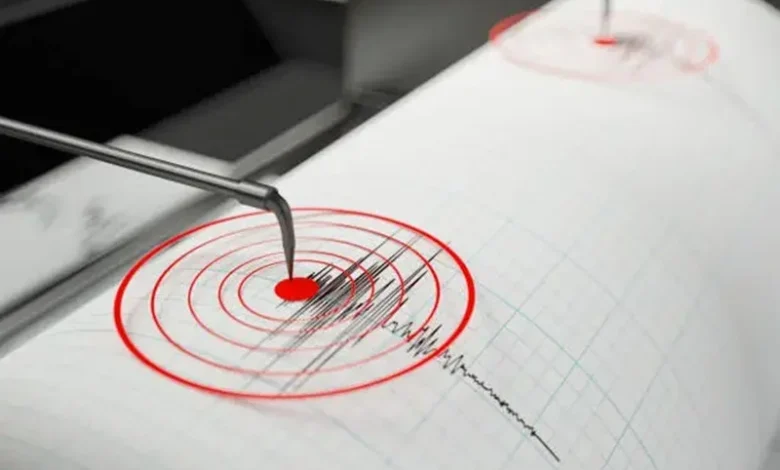
Japan is accustomed to the ground shaking beneath its feet every day. The entire way of life of the country has been founded upon risk mitigation, from the sudden jolt of an earthquake to the quiet, watchful threat of Mount Fuji. That’s how Japan’s earthquake early warning system works, why it matters now more than ever in 2026, and what it means for the millions of people who call this island nation home.
Why Japan is so exposed to earthquakes and volcanoes
Japan sits on the Pacific Ring of Fire, a horseshoe-shaped belt where several of the earth’s tectonic plates meet. This geography means earthquakes are a daily occurrence, with dozens of active volcanoes scattered around the country, including Mount Fuji near Tokyo. Then, in April 2026, a 7.7-magnitude quake struck off the Sanriku coast, shaking buildings as far away as the capital and setting off tsunami warnings—a reminder that no part of the country is completely safe.
How the Government Is Getting Ready for Disaster
Japan is moving. The government will invest about $134 billion on infrastructure upgrades and resilience from 2026 to 2030. A new centralized Disaster Management Agency will be launched in November 2026, consolidating response work that was previously spread across several ministries. Officials are also using AI and digital tools to identify hazards more quickly and coordinate search-and-rescue operations better.
The Japan Meteorological Agency (JMA) issues real-time alerts on its website and via apps, including NHK World on earthquakes, tsunamis and volcanic activity at the local level. Authorities in the Mount Fuji prefecture have prepared hazard maps indicating where problems could be caused by ash, lava and mudflows. The maps are available in a number of languages to residents and tourists.
How you can help today
Preparedness is not only the government’s responsibility. Families all across Japan are taught to stay calm from a young age and this culture has a huge impact on the outcome when disaster hits.
– Have an emergency kit with water, food, a torch and a portable charger for your phone.
– Know where the nearest designated evacuation shelter in your neighborhood is.
-Download the JMA or NHK World apps to receive alerts in your language.
– Practice the ‘drop, cover and hold on’ response when there is strong shaking.
– Store important papers and cash in a waterproof bag by the door.
– Look at the local hazard map if you live near Mt. Fuji or other active volcanoes.
A Nation Not Caught Off-Guard
Japan is one of the world’s most disaster-prepared countries, a result of its long experience with seismic and volcanic risk. In the coming years, new funding, better technology and a reconstituted disaster agency will be put to the test to see if they can keep up with the magnitude of the threat. The lesson for Japan is stark: steady preparation saves lives when the ground finally moves.
Stay informed on disasters and climate risks.
Is Vanuatu safe to visit?
Check out the latest travel safety updates after the earthquake.
Why did the volcano erupt?
Explore how the Russia earthquake may be connected.
Can climate trigger earthquakes?
Find what scientists say about the possible link.
Which cities are climate-ready?
Browse places investing in resilient infrastructure today.
Where are climate haven cities?
Discover top destinations for safer long-term living.