Fossil Fuel Power Generation Declines Across OECD Countries: What It Means for the Global Energy Transition
Fossil Fuel Power Generation is declining across OECD nations. Learn what drives the shift, clean energy growth and its global climate impact now.

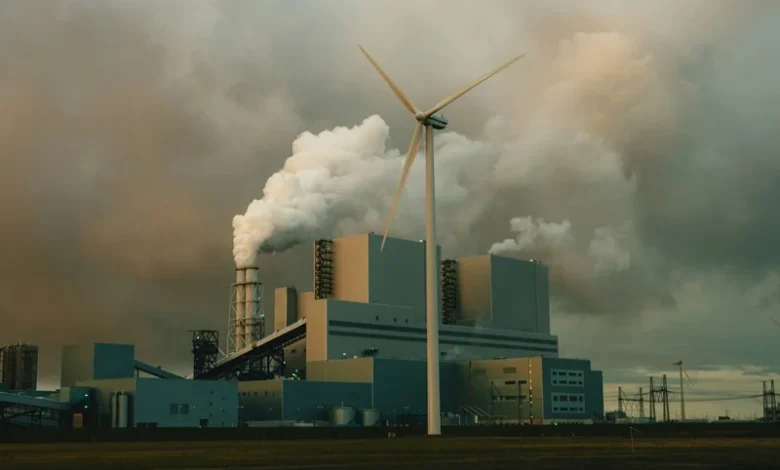
An important change is currently taking place in the world of energy as the use of fossil fuels in generating electricity is declining in the Organization for Economic Cooperation and Development (OECD).
The use of coal, oil, and natural gas in generating electricity is being gradually phased out in countries that are part of the Organization for Economic Cooperation and Development (OECD). The production of electricity is now being done using solar, wind, hydro, nuclear power, and battery power.
It is seen as an important step in the global shift towards cleaner energy.
Why Is Fossil Fuel Power Generation Declining?
Mostly, the decrease in the usage of fossil fuels has been brought about by climate policy, improvements in technology, and changes in economics.
In the last ten years, the costs associated with renewable energy have gone down considerably. In other words, the cost of producing electricity using solar and wind energy has decreased greatly.
Several OECD nations have put up initiatives to reduce their carbon footprints, shut down old coal plants, and make investments in renewables.
This is why there is less use of fossil fuels in generating electricity compared to before.
What Is Driving the Energy Transition?
This change is not happening due to a singular reason but rather from a combination of things that are happening at the same time.
Governments are aiming to achieve net-zero while the utilities are developing renewable power capacities. On the other hand, there are advancements in battery storage, smart electric grids, and energy efficiency which make the development of renewable power easier.
Private investment has also increased as companies strive to achieve their sustainability objectives by utilizing clean energy.
All these factors are slowly changing the electricity systems of the OECD countries.
Which Energy Sources Are Replacing Fossil Fuels?
Renewable energy has become the greatest beneficiary of this change. Solar energy remains to register impressive growth thanks to reduced installation costs and higher efficiency. Wind energy is growing both onshore and offshore, while hydropower and nuclear energy remain steady sources of electricity in some countries.
Energy storage systems have also grown in importance, since they balance the energy production from solar and wind systems.
Instead of relying on one replacement energy source, most OECD nations are developing a diversified energy portfolio.
What Does This Mean for Climate Goals?
Electricity production is the greatest source of carbon dioxide emissions in the world.
Cutting reliance on fossil fuels reduces carbon emissions from the electricity sector, allowing nations to fulfill their environmental obligations under the Paris Climate Agreement.
The drop in fossil fuel electricity generation in the OECD illustrates that economic development and clean electricity are becoming more compatible.
Nevertheless, scientists have warned that while electricity generation may be an area of focus for decarbonization, there are other sectors where emissions need to be curbed as well, such as transport and aviation.
Why This Matters Beyond OECD Countries
Though the trend is taking place in OECD nations, the effect of the trend is felt on a global scale.
There are many developing countries which watch the policies regarding energy that are made by OECD nations, since these nations invest heavily in clean technologies, batteries, and renewables.
With the cost of renewables falling due to their widespread use, even non-OECD countries will find it easy to shift from fossil fuels to renewables.
Challenges Still Remain
Even with the progress made, however, the energy transition process is not yet finished.
The use of natural gas in power production still features significantly in several OECD countries when the output of renewables is less than usual.
Modernization of power grids will be required for efficient handling of more renewable energy.
Moreover, the development of renewable energy capacity requires substantial investments in transmission, battery storage, and power grid management.
Energy security is an additional issue to consider, particularly during severe weather conditions and periods of high electricity consumption.
What Does It Mean for Consumers?
The use of clean energy would have a number of long-term advantages for consumers.
The increased usage of renewable sources could ensure stable electricity prices by avoiding the need to use foreign energy sources.
The consumer will also gain by having clean air and less carbon dioxide emissions, and more modern electricity generation systems.
Nonetheless, the cost of energy will continue to be dependent on domestic politics.
The Bigger Picture
The fall in OECD fossil fuel power generation is not just an achievement of statistics.
It indicates that advanced economies are shifting from thinking about how to carry out the energy transition to executing it.
Instead of considering renewable energy to be a back-up option, nations are now considering it to be the basis of their future power systems. This change may have repercussions for years to come on a global scale.
Conclusion
The consistent reduction in fossil fuel-based power production by OECD nations shows just how strong the trend of the global energy transition has become.
Though there are still many difficulties to overcome, it is becoming clear through the rising amount of electricity generated from renewables that energy transition is both feasible and economic.
This is an important development for everyone involved: governments, companies, and consumers.
The transition to renewable energy is now well on its way to being realized around the world.
Learn more about reducing your carbon footprint.
Which Food Has Lower Emissions?
Find out how beef, chicken and tofu compare for climate impact.
Is AI Hurting The Environment?
Uncover the hidden carbon cost behind today’s smart technologies.
How Can You Cut Emissions?
Check out simple daily habits that help shrink your carbon footprint.
What Are The Best Green Habits?
Browse practical steps to reduce your environmental impact every day.
How Are Deliveries Becoming Greener?
Explore how carbon-neutral logistics are changing urban transportation.