How Mountains Shape Weather Around the World
Mountains Shape Weather by influencing rainfall, winds, temperatures, and water supplies. Learn how they affect climate and daily forecasts worldwide.

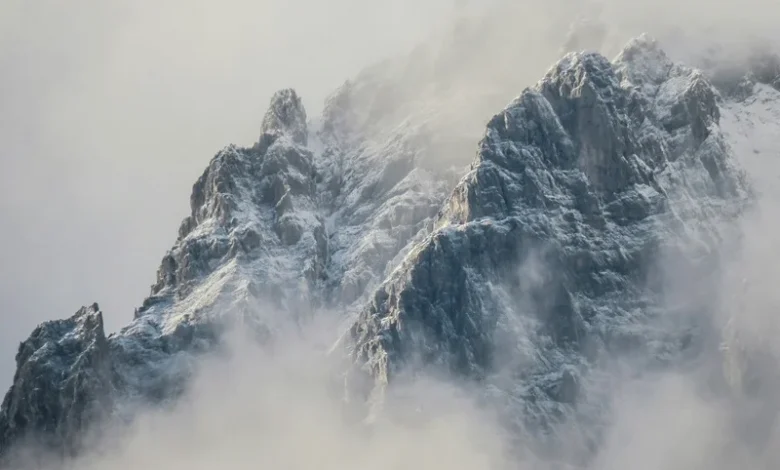
Mountains do much more than create beautiful landscapes they play a major role in shaping weather and climate. By influencing wind patterns, rainfall, and temperature, mountain ranges affect the daily weather experienced by millions of people around the world.
1. Mountains Create Rainfall
When moist air moves toward a mountain, it is forced to rise. As the air rises, it cools and the moisture condenses into clouds, producing rain or snow on the side facing the wind. This is known as orographic rainfall.
2. They Create Rain Shadows
After losing most of its moisture, the air moves down the other side of the mountain. As it descends, it becomes warmer and drier, creating a rain shadow. These areas often receive very little rainfall and can become dry grasslands or deserts.
3. Mountains Influence Temperature
Higher elevations have cooler temperatures because the air becomes thinner and colder with increasing altitude. This is why mountain peaks often remain snow-covered even when nearby lowlands are warm.
4. They Block Weather Systems
Large mountain ranges can prevent storms and weather systems from moving freely, changing rainfall patterns and temperatures on both sides of the mountains.
5. They Affect Wind Patterns
Mountains can redirect or slow down winds, creating local weather conditions such as strong valley winds, mountain breezes, and sudden gusts.
6. They Store Freshwater
Many mountains receive heavy snowfall during winter. As the snow melts in spring and summer, it supplies rivers, lakes, and reservoirs that provide water for drinking, farming, and hydropower.
7. They Influence Local Climates
Mountain regions often have different climates over short distances. Lower slopes may be warm, while higher elevations remain cool and receive more rainfall.
Stay prepared with the latest weather insights.
Why Does Heat Slow Wi-Fi?
Check out how hot weather can affect your internet connection.
Which Climate Trends Matter Most?
Find the biggest weather changes shaping our planet today.
Which Cities Feel Hottest Today?
Uncover where temperatures feel higher than official forecasts.
What Do Weather Alerts Mean?
See how warning colors help you stay safe during severe weather.
How Can You Handle Weather?
Browse practical tips for staying safe through heatwaves and monsoons.
Conclusion
Mountains play a vital role in shaping weather by influencing rainfall, temperature, wind, and water availability. From creating rain-rich regions to forming dry rain shadows, these natural barriers have a major impact on local and regional climates. Understanding how mountains affect weather helps improve forecasting, water management, and climate planning.
FAQs
Why do mountains receive more rainfall?
Moist air rises over mountains, cools, and forms clouds that produce rain or snow.
What is a rain shadow?
A rain shadow is a dry area on the side of a mountain that receives very little rainfall because the air has already lost its moisture.
Why are mountain tops colder?
Temperature decreases with altitude, so higher elevations are generally much cooler than low-lying areas.
How do mountains affect rivers?
Snow and rainfall in mountains feed rivers and reservoirs, providing freshwater for millions of people.