
Why Your Rooftop Solar Power Drops in Intense Heat: The Safe Way to Clean and Cool Your Panels for Maximum Efficiency
Learn why rooftop solar panels lose efficiency in extreme heat and discover safe cleaning and cooling tips to maximize solar power output.

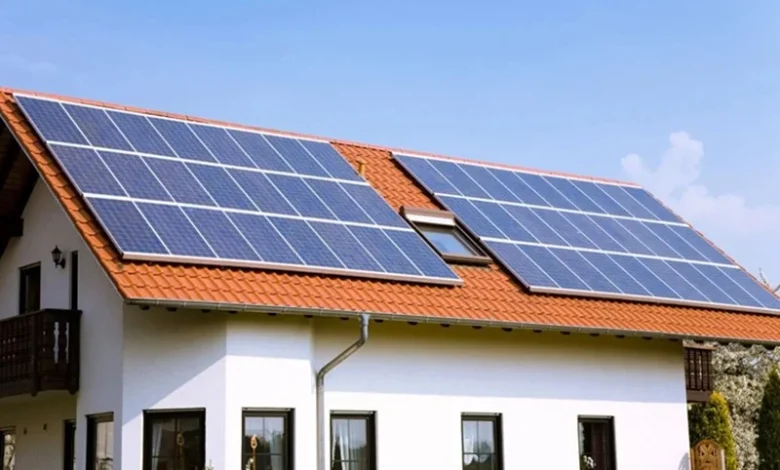
Many homeowners are surprised to discover that their rooftop solar system can produce less electricity during a heatwave, even when the sun is shining brightly. While solar panels need sunlight to generate power, excessive heat can actually reduce their efficiency.
If your solar output has dropped during recent hot weather, here’s what may be happening—and how to safely improve performance.
Why Solar Panels Produce Less Power in Extreme Heat
Solar panels convert sunlight into electricity, but high temperatures increase electrical resistance inside the solar cells.
This can lead to:
- Lower voltage output
- Reduced energy conversion efficiency
- Decreased electricity generation
- Greater strain on system components
On a scorching summer afternoon, panel surface temperatures can become significantly hotter than the surrounding air, causing efficiency losses despite clear skies.
Dust Makes the Problem Worse
Heatwaves are often accompanied by dry conditions and dust accumulation.
A layer of dirt on the panel surface can:
- Block sunlight
- Reduce energy production
- Create uneven heating
- Lower overall system performance
Even a small amount of dust can affect output over time.
The Safe Way to Clean Solar Panels
Avoid cleaning panels during the hottest part of the day.
For safe maintenance:
- Clean early in the morning or late evening
- Use soft water if available
- Rinse gently with a hose
- Use a soft cloth or sponge
- Avoid abrasive materials and harsh chemicals
Never pour cold water onto extremely hot panels, as sudden temperature changes may stress the glass surface.
Can You Cool Solar Panels?
Proper cooling happens naturally through airflow.
To improve heat management:
- Keep the area beneath panels unobstructed
- Remove debris around mounting structures
- Ensure adequate ventilation
- Maintain surrounding rooftop cleanliness
Good airflow helps reduce heat buildup and improves efficiency.
Explore More Trending News & Expert Guides
Which Budget Air Purifier Suits You?
Explore the best-rated affordable air purifiers, key features to compare, and top online buying options.
When Will Delhi Heat Finally Ease?
Discover the latest rain forecast, temperature drop predictions, and when relief from Delhi-NCR’s scorching heat is expected.
Can You Survive Stadium Heat Safely?
Discover essential hydration tips, sun protection measures, and safety rules for outdoor sports events.
Are Summer Temperatures Damaging Your EV?
Check the common heat-related charging mistakes that can affect EV battery life and solar panel performance.
Is Kashmir Travel Safe This Week?
Explore weather alerts, landslide-prone routes, travel risks, and emergency contacts before planning your trip.
Final Words
A drop in solar generation during extreme heat is normal, but excessive dust and poor maintenance can worsen the decline. Regular cleaning, proper ventilation, and safe maintenance practices can help maximise electricity production and protect your investment. By understanding how heat affects solar performance, homeowners can keep their systems operating more efficiently throughout the hottest months of the year.
FAQs
Why do solar panels lose efficiency in hot weather?
High temperatures increase electrical resistance and reduce energy conversion efficiency.
Does dust affect solar output?
Yes. Dust blocks sunlight and can reduce overall power generation.
When is the best time to clean solar panels?
Early morning or late evening when panels are cooler.
Can cold water damage hot solar panels?
Sudden temperature changes may stress panel surfaces, so cleaning should be done carefully.
Does airflow help solar performance?
Yes. Proper ventilation beneath panels helps dissipate heat and improve efficiency.