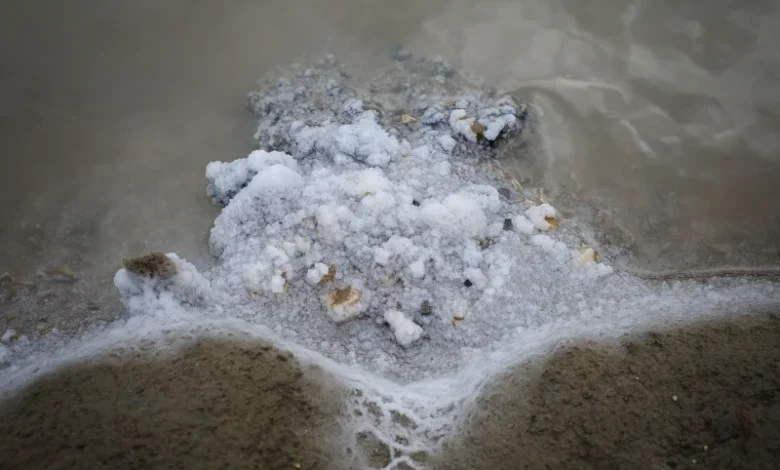
During the winter season, a several million tonnes of rock salt (road salt) is applied in order to make roads secure enough for driving. All that chloride ends up in streams, lakes as well as underground water and makes them full of electrolyte.
Where the Salt Goes?
The dissolved chloride that is carried along by rain and melting snow ends up in rivers that turns into road salt. As stated in the study conducted by the U.S. Geological Survey, sometimes the concentration of chloride is increased throughout the year harming fish and insects living under the water.
What Happens to Soil and Plants?
Salt starts accumulating in the soil which has a negative impact on the plants since the salt prevents the plants from absorbing any water. The investigation conducted by the Cary Institute indicates that trees located near salted roads tend to die.
Are There Any Better Solutions?
Brine solutions, mixtures of the beet juice and sand and some improvements in the design allow for the reduction of the used salt, being at the same time effective for the development of safe roads. Today some metropolises test the above-mentioned methods recommended by the EPA.
Related Reads
Why are seas running out of oxygen?
Read about ocean dead zones.
Could we dim the sun to cool the planet?
Weigh the risks of solar geoengineering.
Are Himalayan glaciers melting?
See what it means for South Asia’s rivers.