

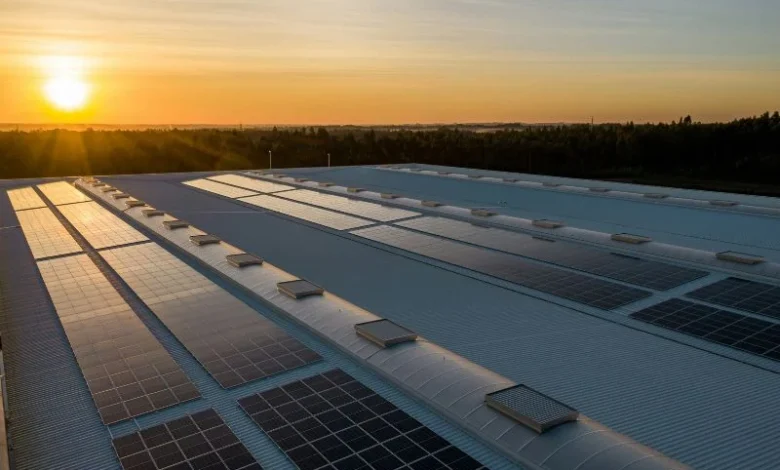
With the onset of pre-monsoon thunderstorms and high-velocity winds forecast to impact many regions of India, experts advise all homeowners to inspect their rooftop solar systems now. The winds are expected to reach a velocity of at least 50 km/h (31 mph) in many areas.
While many of the modern photovoltaic (PV) panels are designed to endure outdoor weather conditions, if the mounting structures are not well maintained, or if there are broken or loose wires or fastened/anchored to the rooftop in an unsecure manner, these panels can become hazardous during strong windstorms.
Important Safety Checks Before Storms Arrive
Experts are advising that before severe weather develops, you perform basic visual checks on your system:
– Mounting Structures: Inspect the panel frames, bolts, and mounting rails for looseness, tilt, and instability.
– Wiring: Inspect for breaking, loose, or exposed wiring that can pose a safety hazard in the event of rain or lightning.
– Roof Sealing: If your mounting points are leaking water now, they will likely leak more during a heavy storm due to the deterioration of waterproofing seals.
– Remove Debris: Clean off the roof of loose objects, tree branches, construction debris, or anything that could hit the panels during a windstorm event.
Solar Panels, Heat Protection & Renewable Energy
Explore protecting electronics extreme heat weather?
Discover AC and solar panel care tips for heatwaves.
Check securing rooftop solar before thunderstorms?
Explore safety measures for strong pre-monsoon winds.
Discover wind vs solar energy better option?
Check which renewable source suits homes and businesses.
Explore Tata Solar vs Adani Solar Chennai?
Discover panel comparisons for efficiency and value.
Check Aureus Solar vs HDT Solar India?
Explore features, pricing and best-buy options.
Should Solar Systems Be Turned Off During Storms?
In some cases, technicians working in areas with a highly active lightning storm or highly unstable electrical environment may recommend temporarily turning off all electronic devices that are not necessary to daily life and turning those appliances back on after it is safe to do so.
The primary focus is that you should never attempt risky repairs to your roof while a storm is actively occurring.
Final Words
Simple safety precautions for homeowners include securing mounting systems, checking your wiring, and clearing any hazards from your rooftop area, which will help to reduce expensive damage, and the risk of electrical safety during the increasingly changing seasons of storms throughout the country.
FAQs
Are solar panels harmed by high, gusty winds (greater than 50 km/h)?
The risk of high winds is to the mounting system and the components; if they are not properly secured, they can become damaged during extreme wind conditions.
What is the first thing a homeowner should inspect?
The homeowner should closely examine the mounting brackets, bolts, wires, and drainage systems on their rooftops to ensure that they are in good working condition.
Are solar panels waterproof?
Most newer solar panels are designed to be weather resistant; however, poor seals or exposed wiring could cause problems for the homeowner.
Should you go up onto your roof during severe weather?
No. Moving around on your roof while there is lightning, or high winds creates extreme danger.