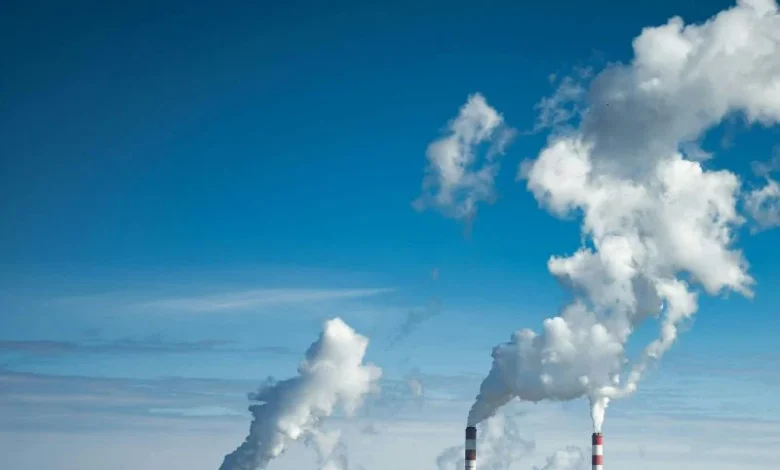
Methane is an odourless and colourless greenhouse gas which has nevertheless contributed a good amount, about 30 per cent of the total global warming since the industrial revolution. methane emissions climate, Methane levels stood at 260 per cent of the pre-industrial era level in the year 2019.
Sources of Methane Emissions
About 60 per cent of total methane emissions today are linked to human activities. In this context, agriculture is responsible for over 40 per cent of methane emissions, mainly due to emissions from cattle, while fossil fuel combustion adds around 35 per cent and waste contributes to about 20 per cent of emissions.
Why Act Now?
The importance of reducing methane emissions lies in the fact that unlike carbon dioxide, methane decomposes relatively fast and the impact of the reduction can be felt within a couple of years. It has been calculated that going forward, existing measures can allow the reduction of human-caused methane emissions by nearly 45 per cent by the year 2030 and help to avoid a 0.3°C increase in temperature by 2045.
How Can We Cut the Emissions? – methane emissions climate
One of the ways of reducing methane emissions is to prevent leaks in oil, gas, and coal production and manage waste properly.Methane in the atmosphere has been rising again since 2007, so action is urgent. Cutting methane is one of the quickest ways to slow near-term warming while longer CO2 cuts take effect.
Stay informed on nature’s biggest global events
Where Does Wasted Food Go?
See how landfills turn leftovers into emissions.
Can Wet Ground Help the Climate?
Meet the overlooked carbon stores under our feet.
Can Earth’s Heat Power the Planet?
Explore how geothermal energy works.