Why Are Heatwaves Lasting Longer Than Before? 8 Climate Trends Scientists Are Tracking

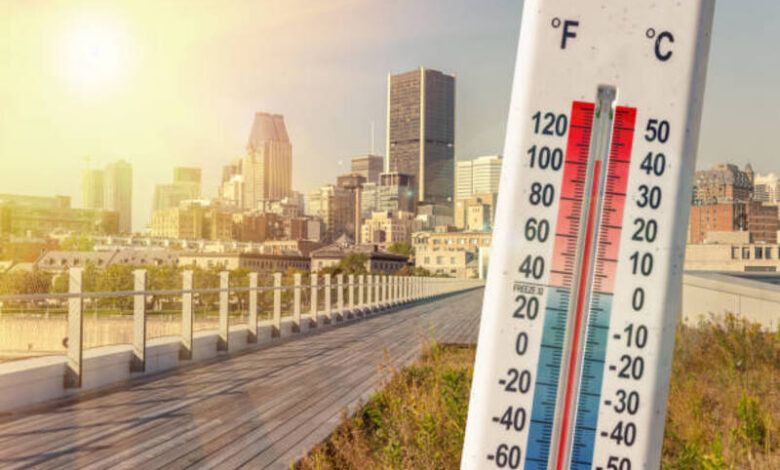
Heatwaves are intensifying in frequency, duration and severity. Experts attribute these changes to several interacting climate and meteorological components; as global temperature increases, studying these patterns can prepare communities for future extreme-weather events.
1. Rising Global Temperatures
The global average temperature has steadily increased over the previous century and, thus, individuals are more likely to see protracted episodes of extreme hot-weather events.
2. Warmer Oceans
The ocean acts as a large heat sink impacting the overall climate. Increased ocean temperature creates the conditions for warmer land temperature, leading to higher-than-normal air temperature, and possibly greater air temperature than otherwise would occur.
3. Persistent High-Pressure Systems
The atmospheric weather system known as a heat dome is characterized by warm, stable air that persists for days or weeks, trapping warm air in that location and preventing the arrival of cooler air masses.
4. Urban Heat Islands
Because there is much more concrete and asphalt contained in urban areas than in outlying regions, urban areas will generally have higher atmospheric temperatures than surrounding rural areas, particularly during the evening and overnight hours.
5. Reduced Soil Moisture
Drier soils do not naturally cool through the evaporation process, causing heat to accumulate more quickly on dry soils during heat waves.
6. Delayed or Weak Rainfall
Late or below-average monsoon rains result in less cloud cover (and subsequent solar heating) extending hot weather.
7. Changing Atmospheric Circulation
Scientists are currently studying the extent to which the changing jet stream, and other wind patterns, will affect how quickly weather systems move and potentially increase the lengths of time heat events may occur in any given region.
8. Increased Greenhouse Gas Concentrations
Increasing concentrations of greenhouse gases, through the greenhouse effect, are anticipated to exacerbate and prolong heat events due to an increase in the amount of heat being trapped within the Earth’s atmosphere.
Conclusion
Heatwaves are getting longer due to many factors. Many different factors together create heatwaves that are longer-lasting. A combination of long-term trends from the Earth’s climate (i.e., climate change) and natural long-term weather trends. These include higher global average temperatures, the warming and heating of oceans; increased development in cities; and changes to normal patterns of rainfall.
FAQs
What causes heatwaves to last longer?
Scientists relate longer duration of heatwave events to three things:
1. Rising global average temperatures;
2. A high-pressure area that doesn’t move;
3. Changes in the weather patterns themselves.
What is a heat dome?
A heat dome forms when there is a high-pressure system that traps hot air in one area over a period of time. This will cause the temperature of the air in the area to maintain its elevated temperature.
Will people in urban areas likely experience hotter temperatures than the general populace or rural areas?
Yes. Because of the Urban Heat Island effect, most cities are able to retain heat and therefore have higher temperatures than close rural areas that do not have the same urbanization.
Will delayed rainfall impact or extend the effects of a heatwave?
Yes. Without experiencing normal amounts of rainfall, the surface of the ground will have an increased capacity to heat, thus extending the duration of the heatwave.