Reefs are running out of time to recover. A new global report found coral bleaching events that used to be decades apart now occur about every five to six years. That narrowing gap is important well beyond marine science. frequent coral bleaching, Reefs shelter a quarter of all marine life and provide food or income for millions of people, from villages in the Pacific to fishing towns in South Asia and East Africa.
What the Report Said
The Global Reefs Monitoring Network analyzed more than 40 years of data from nearly 37,000 reef sites in 120 countries. Hard coral cover was 9.5 percent below its historical average between 2020 and 2024. Coral cover was stable for four decades and then dropped sharply after 2010, said lead author Manuel Gonzalez Rivero.
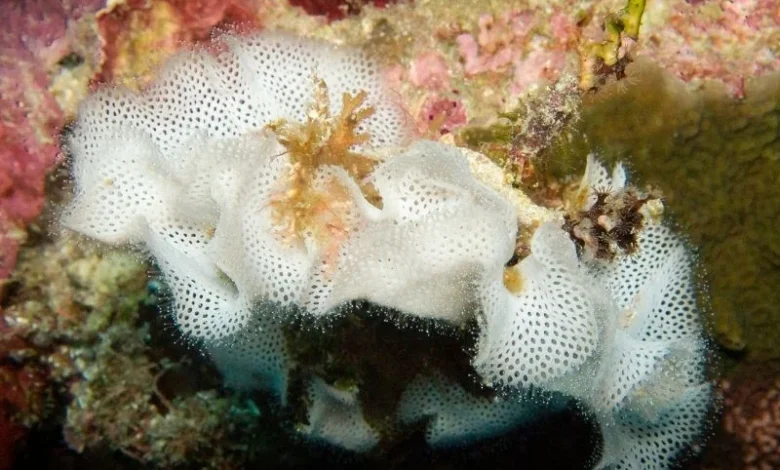
Corals under heat stress expel the colorful algae that live inside them, leading to bleaching. Without the algae, corals turn pale, weaken and get diseased. Bleached coral is not dead but requires time and cooler water to recover.
Why the Gap Between Events Counts
Reefs recover well if given a chance. Between 2017 and 2019, reef recovery about 6 percent of the coral they had lost. But the window for recovery of the reef is closing. The 2023 event was the largest ever recorded, affecting 77 percent of the world’s reefs of coral areas.
Who gets hit first?
•Reef fish contribute to food security and income for fishing communities in Southeast Asia, the Caribbean and East Africa.
•Pacific island nations, where reefs are natural storm barriers.
•Diving and snorkeling tourism economies.
•Reefs are critical to global fisheries, where young fish shelter and grow.
Small Things That Help
•Back marine protected zones that allow corals some breathing space.
•Cut down on coastal pollution and agricultural runoff near reef areas.
•Volunteer programs and local reef restoration groups needing help.
•Urge leaders to bring this up at climate talks such as the upcoming COP31 summit.
Conclusion – frequent coral bleaching
This report is a warning, not a judgement. But reefs can bounce back if they have consistent cool water and less pressure from pollution and overfishing. Whether it’s through policy, sustainable fishing or daily decisions on climate, everyone has a role to play—communities, governments and individuals alike.
Coral reefs face a growing global threat.
Are Kelp Forests Disappearing Too Fast?
Check out why kelp forests are rapidly declining.
How Is UAE Helping Coral Reefs?
Find out how UAE labs protect coral reefs.
What Helps Coral Reefs Recover Faster?
Uncover what supports reef recovery after bleaching.
Why Are Reefs Collapsing Across Countries?
Track down how climate change drives reef loss.
How Widespread Is Coral Bleaching Today?
Reveal how severely coral ecosystems are affected.