
Battery Health Is the New Odometer: 5 Tips to Keep Your EV’s Range Higher for Longer
Learn 5 smart EV battery care tips to reduce degradation, improve range, boost charging efficiency, and maintain long-term electric car performance.

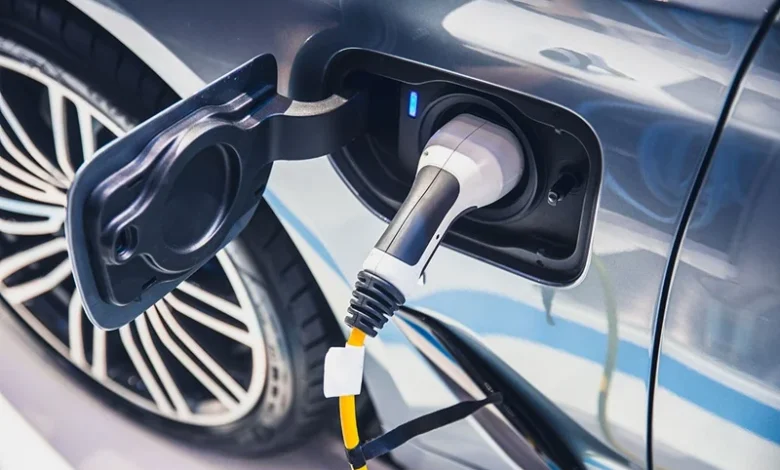
In the electric vehicle era, battery health is becoming just as important as engine condition once was for petrol cars.
Unlike traditional vehicles where mileage mainly reflected engine wear, an EV’s long-term value now depends heavily on how well its battery performs over time. Experts say driving habits, charging patterns, heat exposure, and maintenance routines can all affect how quickly an EV battery loses range.
As EV adoption rises globally in 2026, protecting battery health is becoming one of the most important ways owners can preserve performance, resale value, and charging efficiency.
Modern batteries are designed to last many years, but poor charging and heat-management habits can accelerate wear unnecessarily.
1. Avoid Charging to 100% Every Day
Keeping the battery continuously at full charge places additional stress on lithium-ion cells.
Experts generally recommend:
- Daily charging between 20% and 80%
- Using 100% charging mainly for long-distance travel
Many EVs now include charging limit settings specifically to protect battery health.
2. Reduce Frequent Fast Charging
DC fast charging is convenient but generates significantly more heat than slower home charging.
Occasional fast charging is usually safe, but repeated high-speed charging every day may increase long-term thermal stress.
For regular daily use, slower AC charging is often considered healthier for battery longevity.
3. Protect the Battery From Extreme Heat
Heat is one of the biggest long-term threats to lithium-ion batteries.
During severe summer temperatures:
- Park in shaded areas
- Avoid leaving the EV fully charged in direct sunlight
- Let the battery cool slightly before charging after long drives
- Prefer charging during cooler evening or morning hours
Extreme heat may increase battery degradation over time if thermal stress becomes repetitive.
4. Avoid Deep Battery Drains
Running the battery repeatedly close to 0% may also create unnecessary stress.
Experts recommend avoiding:
- Frequent full discharges
- Leaving the battery empty for long periods
- Ignoring low-battery warnings regularly
Maintaining moderate charge levels is generally considered healthier for long-term battery stability.
5. Keep Software and Thermal Systems Updated
Modern EV battery protection relies heavily on software and cooling management systems.
Manufacturers regularly release updates improving:
- Charging efficiency
- Battery temperature management
- Energy optimisation
- Thermal protection controls
Ignoring service updates may reduce the effectiveness of battery protection systems.
India Rain Alerts, Cyclone Updates & Monsoon Watch
Explore Bay of Bengal low pressure update?
Discover coastal cities expecting heavy rain tonight.
Check Assam Meghalaya dangerous road routes?
Explore areas affected by heavy rainfall and alerts.
Discover Srinagar Shimla thunderstorm travel safety?
Check whether hill station travel is advisable this week.
Explore India monsoon arrival rainfall forecast?
Discover expected rain trends for Mumbai and North India.
Check Delhi airport delays sudden rainstorms?
Explore why storms are disrupting flight schedules.
Final Words
While modern electric cars are highly advanced, simple habits like avoiding excessive fast charging, reducing heat exposure, and maintaining balanced charging routines may significantly extend battery lifespan. As EV ownership grows worldwide, smart battery care is quickly becoming just as important as driving itself.
FAQs
What is battery degradation?
It is the gradual loss of battery capacity and efficiency over time.
Is charging to 100% harmful?
Occasional full charging is fine, but daily 100% charging may increase long-term battery stress.
Does fast charging damage batteries?
Frequent fast charging may increase heat and thermal stress over long periods.
Why is heat dangerous for EV batteries?
Extreme heat accelerates chemical wear inside lithium-ion battery cells.