Air Pollution in Delhi vs Beijing: Lessons from Two Mega Cities
Compare Delhi and Beijing air pollution. Learn how Beijing reduced smog and what lessons Delhi can apply for cleaner air and better policies.

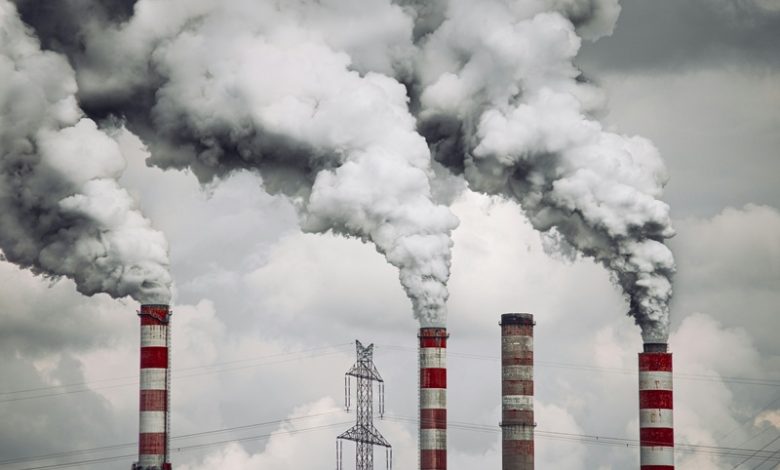
While both cities, Delhi and Beijing, have struggled with very high levels of air pollution, their sources and forms of air pollution differ greatly.
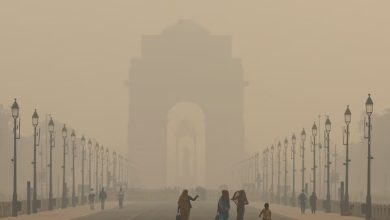
In Delhi, air pollution is very seasonal in nature, and originates from multiple sources—autos, dust from construction, industry and burning of crops in nearby states. All of these sources combine with weather conditions (low wind, temperature inversions) to create extreme winter time smog in Delhi.
In contrast, while Beijing has historically experienced coal combustion air pollution from a heavy industrial base, Beijing did not have multiple sources of pollutants distributed across vast geographic areas. Before a decade ago, Beijing was one of the most air polluted cities in the world. However; the infrastructure and forms of air pollution from those sources made it easier for governmental policies to address these pollutants.
What Beijing Did Right?
Many people look to Beijing as a model for successful city-wide environmental management. The National government of China put into place an aggressive, coordinated approach to address urban air pollution:
- Coal was phased out and replaced with alternative forms of energy
- Polluting industries were relocated or closed
- Vehicle emissions were regulated and limits on vehicle usage were put into place
- Monitoring and enforcement systems received massive investment
These efforts were supported by a strong central government structure with accountability to implementing these programs. Over the past several years; air quality has improved in Beijing, with average PM2.5 concentrations decreasing significantly.
Why Delhi Still Struggles
Delhi has made attempts in the last several years to mitigate air pollution through a variety of methods such as odd/even vehicle rules, the imposition of strict emissions regulations, and a ban on construction orders, yet significant challenges still lie ahead:
- Pollution sources are spread across numerous states, making cooperation among states’ governments a challenge.
- Enforcement of laws and rules has not been applied consistently.
- Cities are being developed at such a rapid pace that there will continue to be a demand for transportation and infrastructure to accommodate the growing population of cities.
- Atmospheric conditions (e.g. stubble burning) will continue to contribute to increased air pollution.
Delhi’s complex governmental structure presents difficulties in establishing long-term, cohesive strategies, much like the City of Beijing has successfully accomplished.
Key Lessons for the Future
Lessons learned from Beijing’s experience,
- Longer-term consistency in public policy should be prioritized over temporary solutions
- Regional cooperation and coordination among states is needed to address pollutants that cross state lines
- There is a need to transition to clean energy sooner (i.e. clean or renewable energy)
According to current enforcement practices, better outcomes will be achieved through more effective monitoring and enforcement of environmental regulations, as well as through the use of real-time monitoring to improve overall air quality.
The overarching position is clear: in order for any significant change to occur at the regional level with regards to air quality and improvements in the environment, systemic changes must take place; otherwise, temporary fixes will not be sufficient in order to improve air quality and the environment on an ongoing basis.
You May Also Like
Should Dubai Limit Its Energy Usage?
Explore how Dubai balances growth and sustainability amid rising energy demands.
Will Climate Redefine Miami’s Future?
Discover how rising seas are reshaping Miami’s urban planning strategies.
Which Cities Face Climate Risk Today?
Check the top cities under immediate environmental threat in 2026.
Which Cities Face Water Crisis Now?
Explore the cities struggling with severe water shortages this year.
Are Green Cities Displacing Communities?
Discover the hidden social costs behind eco-friendly urban projects.
Final Words
Beijing and Delhi offer two different accounts – one of continued conflict and the other, evidence of substantial improvements.
The contrast illustrates that pollution in megacities is complicated but not permanent. Cleaner air can be achieved if the correct combination of policies, regulations and regional cooperation come together to solve the problem.
FAQs
1. How do the air qualities of the cities compare today?
Compared to Beijing, Delhi usually has many more high-pollution days in the winter.
2. Does Beijing have cleaner air now than in the past?
Yes, because of new rules and a long-term plan for improved air quality.
3. What makes getting control of Delhi’s pollution more difficult than in Beijing?
The number of pollution sources, other regional conditions that must be considered, as well as the complexity of government in Delhi.
4. Can Delhi reach Beijing’s same level of improvement?
Yes, with a concerted effort to create an integrated plan with coordinated implementation and a long-term commitment from the parties involved.