How Automation Is Changing Manufacturing Jobs
Automation in Manufacturing Jobs boosts productivity, improves safety, and creates skilled roles as factories adopt robots, AI, and smart technology.

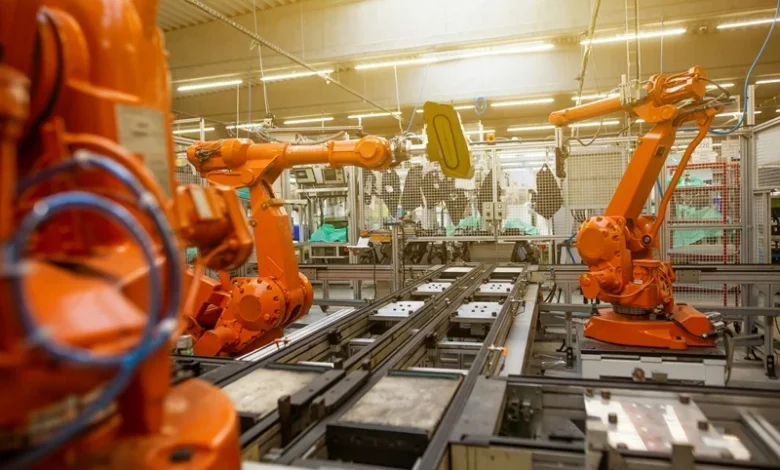
Automation is transforming the manufacturing industry by introducing robots, artificial intelligence (AI), and smart machines into factories. These technologies help businesses improve productivity, reduce costs, and produce goods more efficiently. While automation is replacing some repetitive tasks, it is also creating new opportunities for workers with technical and digital skills.
What Is Manufacturing Automation?
Manufacturing automation involves using machines, robots, and software to perform tasks that were once done manually. Automated systems can assemble products, inspect quality, package goods, and manage production with minimal human intervention.
How Automation Is Changing Jobs
1. Reducing Repetitive Work
Robots can handle repetitive and physically demanding tasks, allowing workers to focus on more complex responsibilities.
2. Creating New Technical Roles
As factories become more advanced, there is a growing demand for technicians, robotics engineers, software specialists, and maintenance professionals.
3. Improving Workplace Safety
Automation can perform dangerous jobs such as handling hazardous materials or operating in high-temperature environments, reducing the risk of workplace injuries.
4. Increasing Productivity
Automated systems can operate continuously with consistent quality, helping manufacturers produce more goods in less time.
5. Encouraging Skill Development
Workers are increasingly expected to learn new skills such as operating automated equipment, analyzing production data, and maintaining robotic systems.
Stay ahead with the latest AI and digital trends.
What Is GEO Search Strategy?
Check out how AI is reshaping the future of search optimization.
Does ChatGPT Impact The Planet?
Find out how AI affects energy use and the environment.
How Does AI Affect Nature?
Uncover the environmental challenges linked to artificial intelligence.
Is AI Hurting Our Environment?
Look into the growing debate over AI and sustainability.
Which Internet Trends Will Dominate?
Explore the digital innovations shaping the next decade.
Conclusion
Automation is reshaping manufacturing by improving efficiency, safety, and product quality. Although some traditional roles are changing, new career opportunities are emerging in robotics, AI, maintenance, and digital manufacturing. Workers who develop technical and problem-solving skills will be better prepared for the industry’s future.
FAQs
What is manufacturing automation?
It is the use of robots, machines, and software to perform manufacturing tasks automatically.
Will automation replace all manufacturing jobs?
No. While some repetitive jobs may decline, many new technical and supervisory roles are being created.
What skills are important for future manufacturing jobs?
Robotics, machine maintenance, data analysis, programming, and problem-solving are increasingly valuable.
How does automation improve safety?
Robots can perform dangerous or physically demanding tasks, reducing the risk of workplace accidents.