
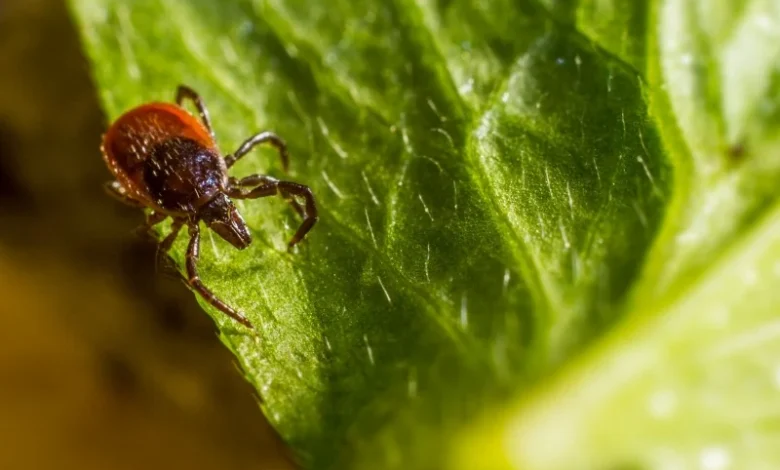
The tick-borne disease known as Lyme disease is one of the most prevalent insect-related illnesses in temperate climatic conditions. The factors that lead to the disappearance of tick-carriers in several regions are thought to be influenced by climate.
How does Climate Affect Ticks?
In order to ensure a successful life cycle, black-legged ticks need a certain number of warm days during which their life process is possible. With rising temperatures, certain developed stages can occur even in northern latitudes and at high altitudes. Data has been accumulating from the CDC and health organizations operating in Europe about the increase in cycle duration and spatial spread of ticks in Europe and North America.
What Is The Effect on Individuals?
People are becoming more susceptible in areas that had little to no previous exposure. Early symptoms of the disease can easily go unnoticed, and untreated cases of tick-borne infections can result in joint, heart, or nervous system problems. Outdoor workers, hiking enthusiasts, and those left near bushy or grassy areas appear to be most at risk.
What Lessens The Overall Danger?
Protective clothing, repellents, checks for ticks after exposure to the outdoors, and landscaping techniques that reduce potential tick habitats among other things help mitigate the risks. Public health surveillance and rapid response treatment remain important.
You May Like It
Spillover: How Habitat Loss Raises Pandemic Risk
Understand the broader links between environmental change and disease.
New World Screwworm: Why Is a Flesh-Eating Pest Spreading North?
See another climate-sensitive organism expanding its range.
Biodiversity Loss Surges in Climate-Sensitive Areas
Learn how warming is reshaping ecosystems and species distributions.
Wildlife Population Decline: What the Latest Numbers Show
See the wider context of pressure on natural systems.