

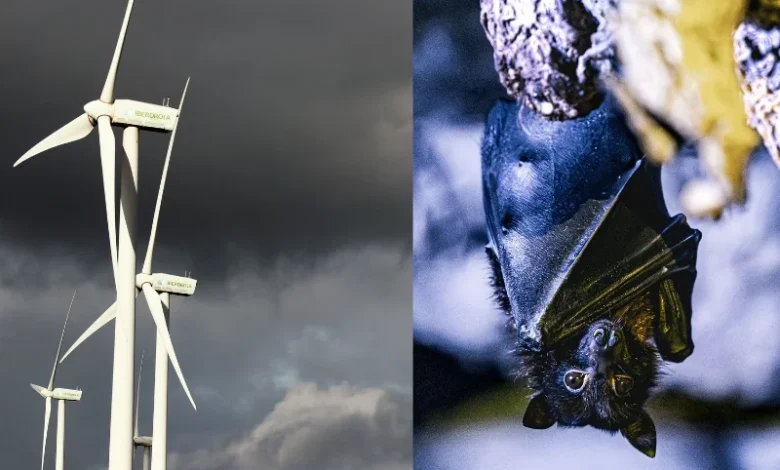
Wind energy is vital for reducing carbon emissions but wind turbines are responsible for the deaths of a large number of bats. Unlike birds, bats are attracted to the turbines and experience high rates of collisions and barotrauma especially during migration.
What Makes Bats So Susceptible?
A number of bat species hunt insects that swarm around the wind turbine towers while others fly at the same level as the rotor-swept zone. The sudden drop in air pressure around the blades can cause lungs to be damaged without a direct hit. According to studies completed by the US Geological Survey and European research groups, certain migratory species experience high levels of fatalities.
What Are Methods to Decrease Mortality?
There is evidence that increasing cut-in speed allows wind turbines to remain inactive during low wind periods which may correspond with the main activity of bats. Other innovative devices like ultrasonic repellents and more intelligent shutdown based on the instantaneous activity of bats are in the trial phase. Such devices are normally rather cheap if we consider their annual energy output.
Are There Any Trade-Offs?
The impact that wind turbines power has on climate is still considerable. The problem is in continuous expansion of capacity while at the same time using the best available means to protect bats and other wildlife.
China Solar Farms and Bird Diversity
See how another renewable technology can affect wildlife.
Biodiversity Loss Surges in Climate-Sensitive Areas
Understand the wider pressures on species in a warming world.
Wildlife Population Decline: What the Latest Numbers Show
Look at the global trend in animal populations.
Grassland Loss Hits Global Bird Populations
Explore habitat change as another driver of declines.
Global Pollinator Collapse: What’s Behind the Decline?
See the multiple threats facing insects and other pollinators.