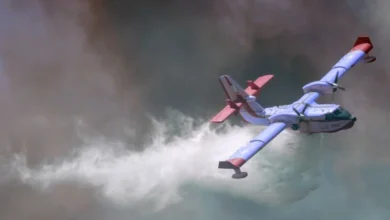
Sustainable aviation fuel (SAF) comes from waste oils, leftovers and other resources and can be used in the jets of modern times. However, production only amounted to 1.9 million tons in 2025, or 0.6% of the jet fuels consumed.
Why Is It So Hard to Get?
The cost of SAF ( sustainable aviation fuel) is two to five times higher than that of fossil jet fuels depending on the market situation, while synthetic e-SAF may be even ten to twelve times higher. IATA forecasts that volume of production will rise to 2.4 million tons by 2026 or 0.8% of jet fuel consumption.
What Do Regulations Actually Require?
According to the EU’s ReFuelEU requirements, a minimum of 2% of SAF should be used in 2025, while the figure will rise to 6% in 2030 and 32% in 2040. IATA believes that regulations only increase prices without augmenting output, so that it prefers production incentives.
Is it Possible to Achieve Scale?
To achieve the industry’s net-zero targets, about 500 million tons should be produced per year by 2050 – much more than the output today. SAF may make a contribution, but in addition to that, e-SAF (e- sustainable aviation fuel) depends on green hydrogen and clean electricity.
You May Also Like
Which countries run on clean power?
See who relies almost entirely on renewables.
Is nuclear power part of the solution?
Weigh the case for nuclear energy.
Can panels on water power the future?
Find out how floating solar could work.
Why is concrete a big emitter?
See how cement drives climate change.
What are heat pumps?
Learn how this quiet technology heats and cools homes efficiently.