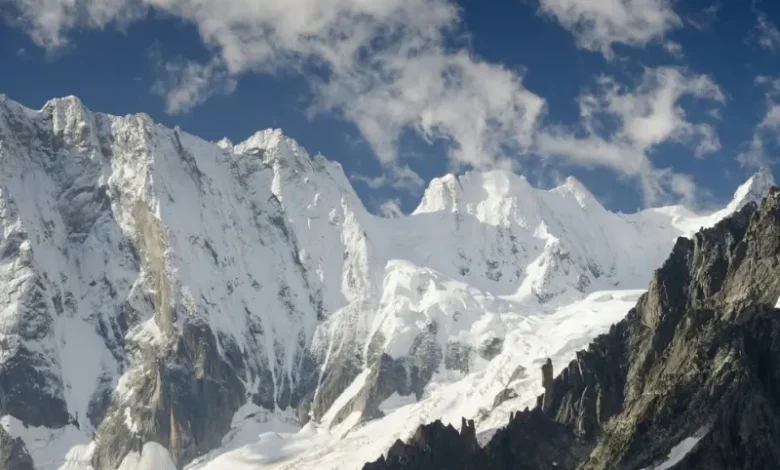
In 2026, just like Alpine glaciers melting, Swiss glaciers lost 5.5 percent of their ice volume – the second highest annual loss, following a winter without snow and unprecedented summer temperatures.
How Fast is the Loss of Ice Taking Place?
From 2022 to 2026, the rate of melting more than doubled that of the previous five-year periods. Since 2021, about 20 percent of overall volume has been lost. From 1990 to 2000, 10 percent melted; over the past ten years, however, 27 percent melted.
Why Is the Rate of Alpine Glaciers Melting Increasing?
The small amount of snow in winter puts glaciers in direct contact with summer heat. Global warming, caused by human activity, and four glaciers, including the largest one in the Alps – the Aletsch glacier, experienced melting records.
What Are the Consequences?
Over 1,100 glaciers have already disappeared from Switzerland since the 1970s. If emissions remain unchanged, it is possible that all the glaciers will vanish by 2100. Glaciers are vital for the functioning of rivers, hydropower plants, and they satisfy the needs of people in terms of drinking water, as demonstrated in the report on Himalayan glaciers.
Read more Climate Changes
Is Antarctic ice disappearing?
Find out why it matters beyond the poles.
Is extreme heat a health crisis?
Learn why heat is becoming a public health threat worldwide.
Why are cyclones strengthening faster?
Read about rapid intensification and why it matters.
Could we dim the sun to cool the planet?
Weigh the risks of solar geoengineering.
Which countries run on clean power?
See who relies almost entirely on renewables.