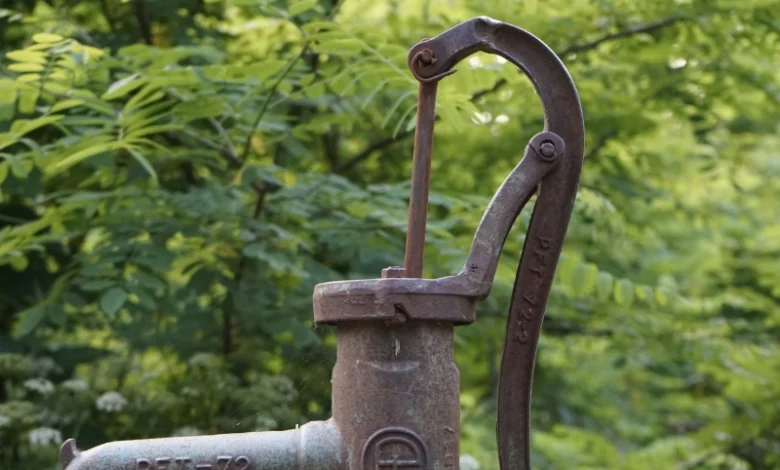
The Ganga–Brahmaputra floodplain contains naturally occurring arsenic in groundwater which makes drinking water unsafe for consumption. Around 100 million people living in India and Bangladesh are likely to suffer from this problem, and 50% of the tested samples show arsenic levels above WHO standards.
Where Is It Derived From?
The sedimentation of the Gangetic plain is the main source of arsenic in groundwater and the presence of heavy irrigation is the main factor defining the spread of arsenic. As per recent research about 20% of India is having such arsenic-laden groundwater which is exposing, approximately, 250 million people.
How Does It Get into Our Food?
The water from the contaminated sources is known for irrigation purposes. One researcher sampled water and found that in Bihar hot spot districts, 14% of rice samples and 63% wheat samples had arsenic above FAO permissible limit.
What Can Be Done About This Issue?
If one is exposed for a long time it may have serious health effects thereby requiring effective intervention points and strategies to limit exposure thereby ensuring safe food to meet food goals.
Read more Environmental Changes
Are Himalayan glaciers melting?
See what it means for South Asia’s rivers.
Is India’s monsoon changing?
Read how climate change is reshaping the monsoon.
Is extreme heat a health crisis?
Learn why heat is becoming a public health threat worldwide.
How healthy is our soil?
See why healthy soil is running out.
Is food waste a climate issue?
See how food waste adds to climate change.