

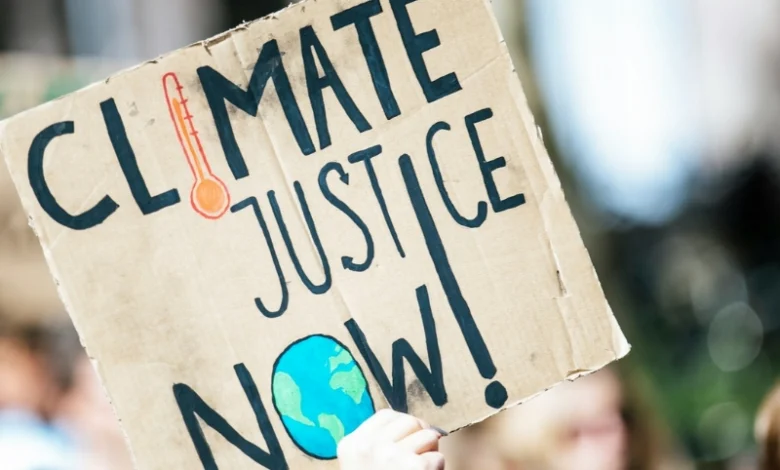
The courts have proven to be an essential venue for climate lawsuits (fighting climate change). So far, lawsuits have been filed in 62 nations, and more and more judgments recognize that climate action should be treated as an obligation.
What Is the Recent Decision of the International Court?
On July 23, 2025, the International Court of Justice announced that it would require states to implement highly effective mitigation and adaptation measures (including regulating corporations and fossil fuel production). While the decision is non-binding, it is quite likely to set the course for future disputes.
Where Did States Fail?
The European Court of Human Rights ruled in 2024 that Switzerland violated the rights of elderly women by failing to act on climate change. Between 2015 and 2024, there were 276 lawsuits in the highest courts, 80 percent of which were brought against the state.
Are There Any Restrictions?
One should keep in mind that a ruling is not an equivalent of action. Courts cannot always compel states to reduce carbon footprint, and specialists claim that there has been a growing backlash. However, ruling does have an impact on laws and corporate risks, as we showed in the report on sinking islands.
You May Like It
Which countries run on clean power?
See who relies almost entirely on renewables.
What went wrong in 2025?
Read about 12 major environmental disasters.
Is extreme heat a health crisis?
Learn why heat is becoming a public health threat worldwide.
Why are cyclones strengthening faster?
Read about rapid intensification and why it matters.
Could we dim the sun to cool the planet?
Weigh the risks of solar geoengineering.