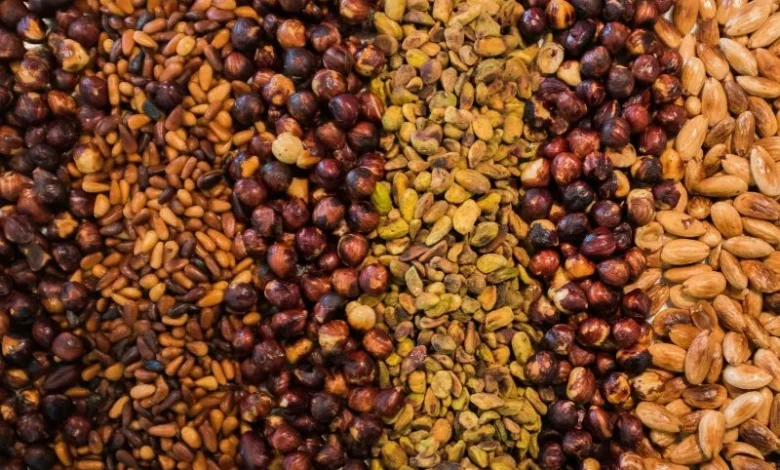
Millets are drought-resistant cereals that require less water than rice or wheat. climate smart grains, At India’s request, 2023 was declared the United Nations International Year of Millets, with India, Nigeria and China producing over 55% of millets globally.
What made them decline?
After the Green Revolution, wheat and rice productions thrived, while millets and other native crops declined in popularity. Millets have been gradually being abandoned since 1971-72. Their low yield and poor return rates do not tempt many farmers into cultivation of millets.
What is their significance?
According to Indian Farming by ICAR, millets can tolerate droughts, require fewer inputs, and provide fiber, vitamins and minerals. These cereals were among the first crops cultivated in India. At present, nine types of millets are cultivated across India.
What is required to revive them? – climate smart grains
In the year of 2018, India declared it as the National Year of Millets and also started its National Millets Mission back in 2007 to encourage cultivation of and consumption of millets around the country. Researchers believe that increase in yield and stable returns are required to promote millets while ensuring rice and wheat production remains at a high level and maintaining soil and water health.
Read more Climate Changes:
Is Food Security at Risk?
See how climate change threatens the food supply.
How Do Communities Fight Drought?
Meet the volunteers in Hungary building their own dams.
Is healthy soil running out?
See why soil degradation threatens food supplies.
Will Countries Hit Food Goals?
Find out why most may miss 2030 targets.
Is Extreme Heat a Health Crisis?
See why heat is now a health crisis.