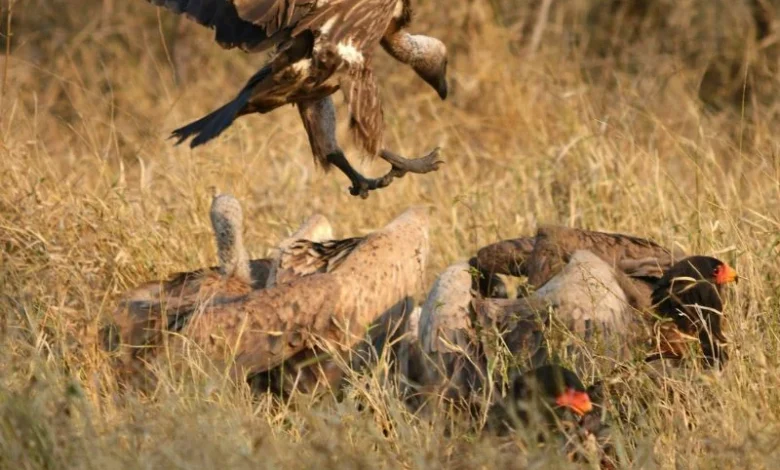
Vultures are traditionally seen as some of the most common scavengers in India, vulture decline India, but their numbers fell by 99.9 percent when farmers started administering painkillers called diclofenac to cattle in the 1990s.
The Cost of Decline
Vultures can consume a dead cow in around 40 minutes, and there were approximately 40 million vultures in India in the 1980s. Without vultures, cows would rot in the fields, dogs would reproduce quickly, and rabies outbreaks would take place. The estimates show around 100,000 people were dying each year between 2000 and 2005 due to the lack of vultures and the damages reached $69.4 billion.
Can Vultures Be Saved? – vulture decline India
Veterinarian use of diclofenac was prohibited in India in 2006, while aceclofenac and ketoprofen were banned in July 2023. The situation is complicated by the presence of nimesulide in the market, which is as dangerous to vultures as the previous two painkillers. In the past, Nepal witnessed successful recovery of vultures following the ban, while India, on the other hand, has not obtained any success since the ban was imposed.
The Significance of Vultures
Vultures help to consume large carcasses fast, thus preventing the disease from spreading. With the presence of vultures, people are also safe. India’s protected areas and tiger reserves offer vultures NSAID-free food.
Read More About Environment:
Which species are bouncing back?
Meet the endangered species making a comeback.
Which Species Are Recovering?
Meet 10 endangered species making a comeback.
Why Do Insects Matter?
Learn their role in ecosystems.
Is Food Security at Risk?
See how climate change threatens the food supply.
Is healthy soil running out?
See why soil degradation threatens food supplies.