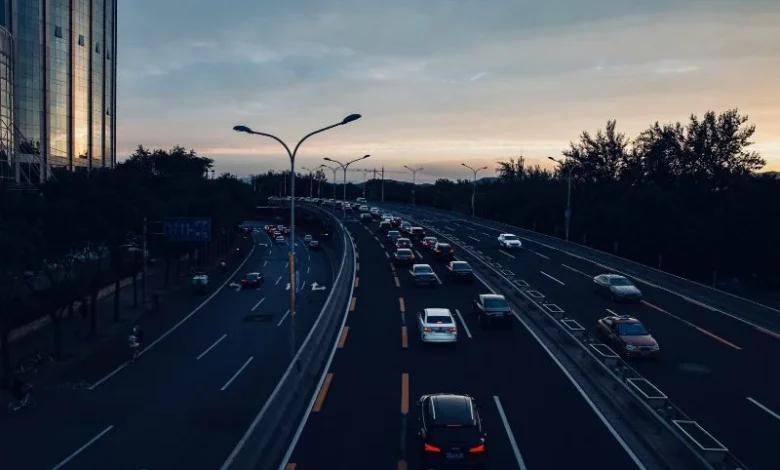
Urban sounds are not just irritating noise. Noise pollution in cities, According to the guidelines from WHO, staying in places where noise exceeds 55 decibels should be avoided but in several Indian cities this noise level is exceeded regularly.
What are the reasons for noise in cities?
Traffic jams, honks, generators and construction sites generate noise pollution. In India, the authorities in seven metro cities including Delhi and Mumbai track noise levels. According to the Noise Pollution Act the maximum noise in residential areas is 55 dB during day time and 45 dB at night. Commercial districts can have noises as loud as 65 dB in the daytime and 55 dB at night.
Is noise harmful?
In Europe, according to WHO, noise is the second major environmental influence on health, after air pollution. There are several studies linking the level of noise with the quality of sleep and the level of stress. A report showed that the average level of noise during the day was between 65-75 dB, which is higher than the allowed for residential areas.
Which are the ways to reduce noise? – noise pollution in cities
Establishing green zones, barriers and using silent road materials can help cut the noise level, along with limiting the use of car horns and generators. Noise harms wildlife too, as the case of ocean noise shows.
Read more on Climate Changes
Is the ocean getting louder?
See how ship noise harms whales and fish.
Why are big cities sinking?
Find out why Jakarta and Mexico City are going under.
How does climate worry affect mental health?
Read about eco-anxiety and what helps.
Is Extreme Heat a Health Crisis?
See why heat is now a health crisis.
Why are top floors hotter?
Learn why apartments can be 8°C hotter and how to fix it.