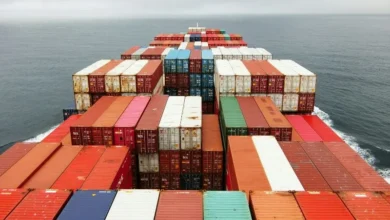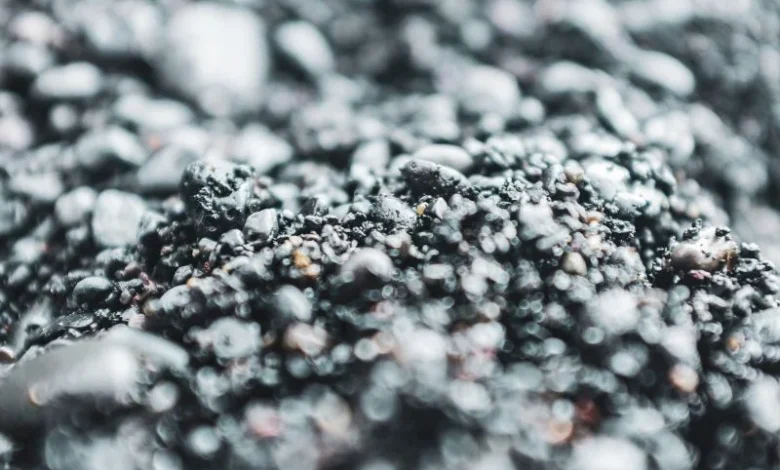
The production of biochar involves the process of pyrolysis in which the raw materials or feedstock in the form of agricultural or forestry waste is heated in the absence of air or oxygen, biochar carbon removal, producing a charcoal-like substance that is capable of sequestering carbon for hundreds of years.
Why the Popularity?
Biochar accounted for approximately 86 percent of all permanent carbon removal performed in 2024 and 93 percent of all projects in early 2026, as indicated by CDR.fyi. With the price of around €100 to €210 per tonne, it is one of the cheapest products. Companies like Microsoft and Google are among its biggest consumers.
Is it Beneficial for Soil?
It has been shown to improve crop yields, water consumption and microbial activity, although stability and soil benefits do not always go hand in hand. According to a study conducted in 2026, it is known that studies rarely differentiate between the two concepts, which might lead to misleading claims about climate mitigation.
What is its Limitation? – biochar carbon removal
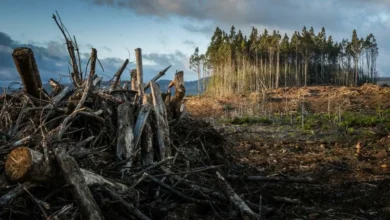
The question of sourcing is important because if the feedstock has been obtained from deforested forests, then the climate benefit might be less substantial than expected. Therefore, it is necessary for the buyers to seek the longevity of biochar, and biochar should complement cutting emissions and fighting soil degradation, not replace them.
You May Like It:
Why is concrete a big emitter?
See how cement drives climate change.
Where is carbon really stored?
Meet the overlooked peatlands beneath our feet.
Can growing food indoors help?
Weigh the pros and cons of vertical farming.
Is food waste a climate issue?
See how food waste adds to climate change.
Will countries hit food goals?
Find out why most may miss 2030 targets.