The ocean floor is filled with millions of pebble-sized nodules that contain the metals necessary for batteries. deep-sea mining, Firms are eager to mine these regions, but experts point out that we are not in a position to make any moves as of yet. As of March 2026, mining remains outlawed and no relevant laws are in place.
What Are the Risks?
The Clarion-Clipperton Zone reaches around 4.5 million square kilometres of sea floor between Mexico and Hawaii and has as many as 21 billion tons of manganese nodules full of resources such as nickel, cobalt copper, and manganese.
Arguments in Favor
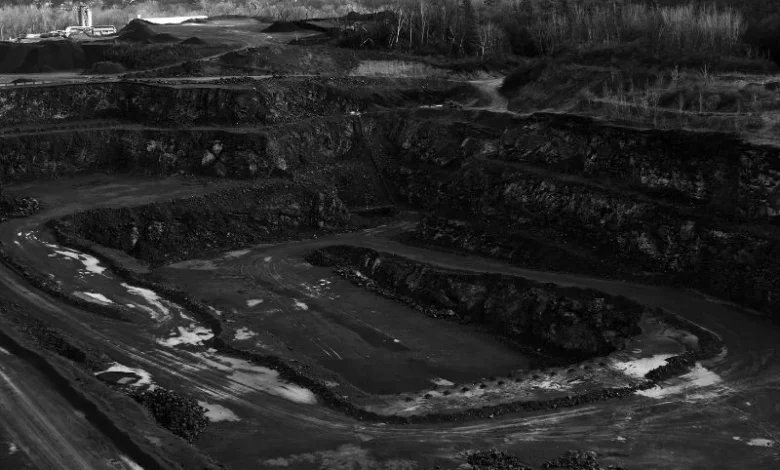
According to supporters, this approach makes it possible to avoid some of the negative consequences of mining on land. One firm claims that it results in 90 percent less carbon emissions than traditional land mining.
The Evidence for the Argument
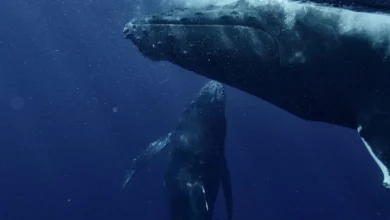
- The unknown world: Scientists discovered new animals living in deep ocean waters that had never been recorded before.
- Harm: Mining could wipe out already existing life forms.
- Rehabilitating: The activists. However, say certain ecosystems need to recover for a million years.
The Deciders – deep-sea mining
The International Seabed Authority is responsible for the management of mining operations. So far 40 countries support the prohibition on mining and companies manufacturers like Volvo and Google promised to avoid seabed metals in their production. Nonetheless, the Metals Company has requested permission to mine from the US government, although officials of the International Seabed Authority note that this act could be viewed as a violation of international law.
Stay informed on nature’s biggest global events
How Harmful Is Plastic Pollution?
Explore its impact on ecosystems.
What Were 2025’s Worst Disasters?
Read about 12 major environmental disasters.
Can Renewables Deliver a Greener Future?
Weigh the promise and the limits.