
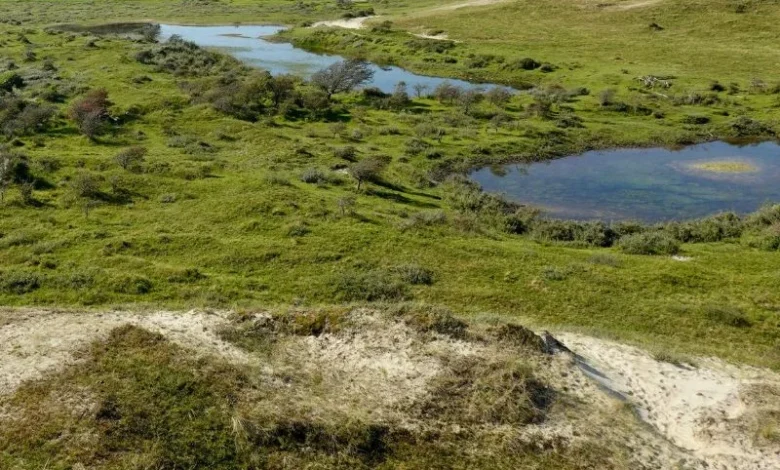
Though a mere 3 percent of Earth’s surface is made up of peatlands, these ecosystems are the largest carbon storage solution available, peatlands carbon storage, holding 2 times more carbon than all the forests combined.
What Is Their Value?
Peatlands are home to an estimated 600 giga tons of carbon. This carbon remains locked in unless the peatland becomes dry. They also regulate water cycles and give rise to different species.Intact peatlands also regulate water cycles and support biodiversity, and new ones are still being found, including forested peatlands in the tropics.
What Happens When Peatlands Have Been Dried Up?
- Area: 50 million hectares have been drained for agricultural purposes, forestry, and peat extraction.
- Emission levels: drained peatlands cover less than 0.4 percent of the land yet are responsible for approximately 4 percent of greenhouse gases emission.
- Where are these emissions coming from: Indonesia, the European Union, and Russia are the main culprits.
- Europe: northern and Baltic regions have drained roughly 45 percent of the area’s peatlands.
Is It Possible to Resolve the Issue? – peatlands carbon storage
Restoration involves blocking the ditches and channels allowing the land to get wet once again. The process of renewing wetness results in rapid gains but for a short time due to methane release. Without any intervention, drained peatlands will account for over 40 percent of the remaining 1.5°C budget by 2100. To meet the Paris targets, all pristine peatland must be protected and the vast majority of drained peatland must be rapidly rehabilitated.
Stay informed on nature’s biggest global events
Can Renewables Deliver a Greener Future?
Weigh the promise and the limits.
How Do Communities Fight Drought?
Meet the volunteers in Hungary building their own dams.
What Were 2025’s Worst Disasters?
Read about 12 major environmental disasters.