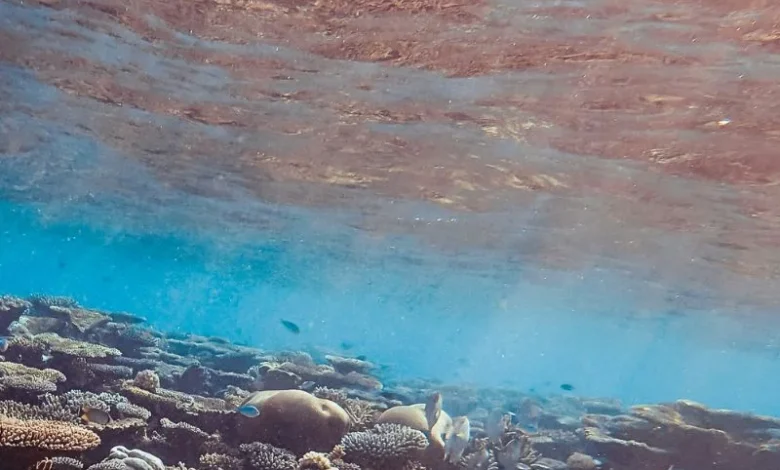
The water lying on the ocean floor may not have enough oxygen content for almost all sea organisms. ocean dead zones, These areas are called dead zones, with the number of such zones increasing over the years.
What Leads to the Creation of a Ocean Dead Zones?
Fertilizer and sewage runoff is the cause of algal blooms. When algae die and sink, it takes up oxygen. While animals flee, all animals that cannot move perish. Most dead zones in Africa and South America occur because of sewage, while a natural upwelling has caused another dead zone off Oregon.
How Many Are There?
- In 2008, 405 dead zones were identified as opposed to only 49 dead zones in the 1960s.
- Later estimates showed that there are more than 550 dead zones, and one scientist said that the number might be more than 1,000.
- The largest dead zone is in the Baltic Sea, while the second largest dead zone is in the Gulf of Mexico.
The Gulf of Mexico Instance
The nutrients flowing out from the agricultural sectors in the Mississippi River generate huge dead zones in the Gulf.
Will it Recover?
Yes, in some instances. The Black Sea recovered very quickly in the 1990s when a decline in the usage of fertilizer was observed. Experts say reducing nutrient pollution is the most important thing to do.
Stay informed on nature’s biggest global events
How Harmful Is Plastic Pollution?
Explore its impact on ecosystems.
Is Food Security at Risk?
See how climate change threatens the food supply.
What Were 2025’s Worst Disasters?
Read about 12 major environmental disasters.