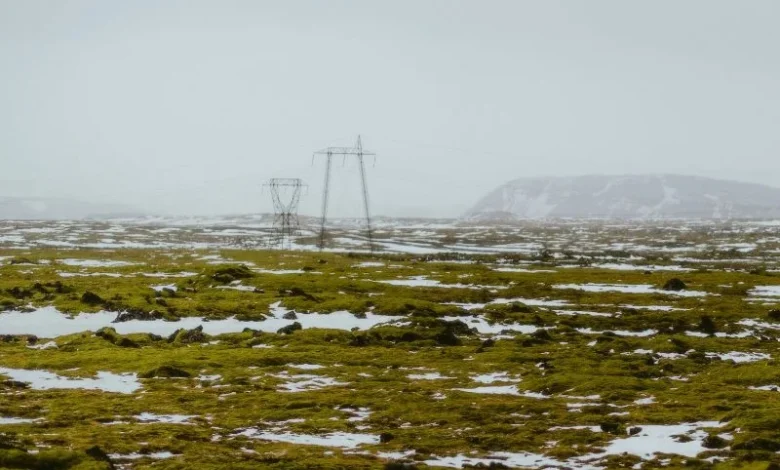
Underneath the Arctic lies land that has been frozen for thousands of years. permafrost thaw, When it melts, it can pose a danger to the buildings above it and climate (flooding) as well.
What Is Permafrost?
This is land that has remained below freezing for several years. It occupies about 30 million square kilometers of area, with almost half of it located in the Arctic, and rose by almost 0.4°C from 2007 to 2016.
Why Is Thawing Important?
– Carbon: Frozen soil contains billions of tons of green gases. Melting will release more carbon into the air, which will lead to further melting of the soil.
– Infrastructure: 30-70 percent of the infrastructure in Arctic countries is being built in dangerous areas.
– Oil and gas: Almost half of the oil fields in Russia located in the Arctic are in danger zones.
– Fire: Underground fires make the thawing layer spread and can trigger the release of ancient carbon.
What Is the Difference between Gradual and Abrupt Thaw?
Abrupt thaw impacts a smaller area, but it increases thawing considerably. It has been discovered during research that around 2.5 million square kilometers of abrupt thaw may have the same climatic impact as 18 million of gradual thaw.
What Is Still Unknown about Thawing? – permafrost thaw
At the moment scientists cannot precisely define how much carbon is going to be released. A greener and wetter Arctic could absorb some amount of carbon, at least until that time thawing is a major source and not a place for carbon to accumulate.
Stay informed on nature’s biggest global events
What Were 2025’s Worst Disasters?
Read about 12 major environmental disasters.
Is Extreme Heat a Health Crisis?
See why heat is now a health crisis.
Can Renewables Deliver a Greener Future?
Weigh the promise and the limits.