Maharashtra Drought 2026: Nearly Half of Tehsils Likely to Be Declared Drought-Affected as Monsoon Fails Marathwada

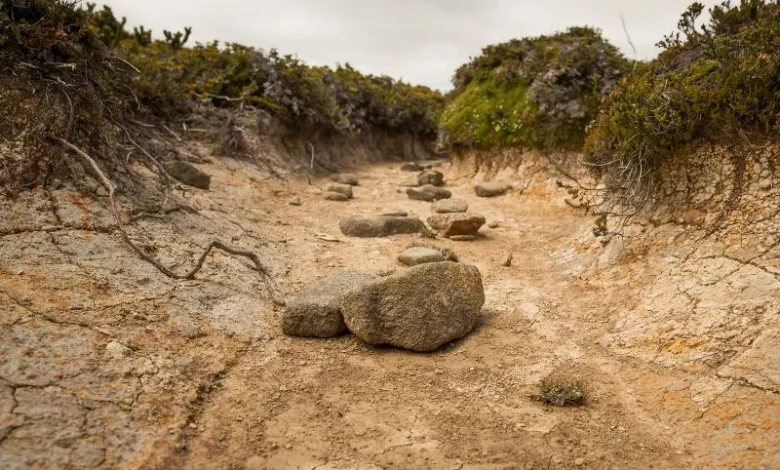
Walk through a village in Marathwada right now and you’ll see it before anyone tells you. Maharashtra drought, Fields that should be waist-high with soybean are instead brown and cracked. Farmers in Maharashtra are dealing with one of the driest stretches in years, and the state may soon officially label nearly half of its 364 tehsils as drought-affected. That one word, once it’s stamped on paper, decides who gets help and who has to wait.
Why the State Has Slipped Into a Drought-Like Situation
Here’s the plain number first: Maharashtra got roughly 80 percent of its usual rainfall between June and late September. But averages hide a lot. Some parts of the state did fine. Marathwada, which has never really had it easy with rain, got hit the hardest, and so did pockets of the north.
Chhatrapati Sambhajinagar has recorded just under 30 percent of its normal rainfall this year. Nashik isn’t far behind at about 34 percent. Talk to officials in some of these districts and they’ll tell you certain tehsils went over 40 days without any rain at all, right in the middle of the growing season when crops needed it most.
That’s the reason nobody’s using the word “drought” outright just yet, only “drought-like.” There’s a technical step in between. A formal drought declaration needs a second round of ground assessment, checking actual crop damage and groundwater levels. Until that’s done, these tehsils sit in a sort of waiting room, one that at least allows a few early relief measures to kick in.
Districts and Crops Bearing the Brunt
Solapur, Jalna, Latur, Dharashiv, Buldhana and Sangli are the names coming up again and again in this crisis. Farmers in these districts rely heavily on kharif crops such as soybean, cotton, moong and urad, and none of these hold up well when the rain simply doesn’t show.
- Solapur is looking at 80 to 90 percent crop loss in several of its tehsils
- Buldhana’s soybean harvest may drop by as much as 75 percent
- Jalna could lose 40 to 60 percent of its cotton and soybean output
- Sangli and Satara are still at risk if the dry spell continues
None of this is abstract for the families living through it. A bad kharif season usually means a loan that doesn’t get repaid on time, no spare cash for next season’s seeds, and sometimes a teenager skipping school to pick up daily wage work instead.
What Relief Is Being Planned
Chief Minister Devendra Fadnavis visited some of the worst-hit areas, including Latur, in late September, and has since asked the central government for drought relief funds on the state’s behalf. Once the formal tehsil-wise classification is out, farmers usually qualify for compensation, some breathing room on loan repayments, and fee waivers for their kids’ schooling. How quickly that actually reaches people, though, tends to depend on how the paperwork moves this time around.
A few things farmers can do while waiting on this:
- Keep photos of the damaged crop along with your sowing records
- File crop insurance claims early, don’t wait till the last date
- Stay in touch with your local Krishi Sahayak or agriculture office
- Check official relief portals directly instead of trusting word of mouth
Conclusion – Maharashtra drought
Droughts like this one aren’t just a weather story, they’re a test of how fast relief actually reaches the people who need it. With nearly half of Maharashtra’s tehsils on the edge of a drought-like tag, the real question now isn’t whether help is coming, it’s whether it arrives in time to matter. For farmers, keeping paperwork ready and staying alert to updates is the one part of this they can actually control.
Read more Climate Changes:
Which Hyderabad areas face worst heat?
Check the neighborhoods most vulnerable during extreme heatwaves in the city.
Which Indian cities face extreme heat?
Discover the regions across India at highest risk from rising temperatures.
Is major weather shift coming April?
Explore how upcoming weather changes could impact temperatures across India.
Which cities face climate risk 2026?
Check the urban areas under immediate environmental threat this year.
Why Chennai preparing early for heat?
Discover how Chennai is tackling rising temperatures and health risks early.