Eucalyptus Plantations Drain Brazil’s Jequitinhonha Valley, Groundwater Down 4.5 Metres in 45 Years

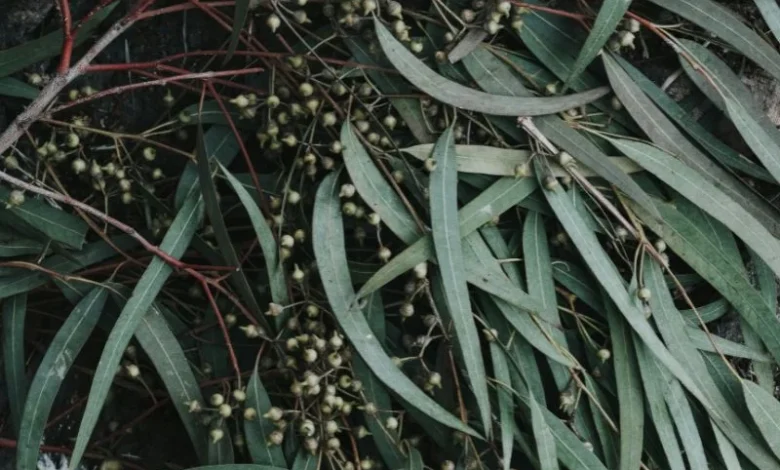
Ask farmers in Brazil’s Jequitinhonha Valley what’s changed over the years, and most will say the same thing: the springs they grew up with have vanished. eucalyptus plantation water depletion, Rows of eucalyptus, planted to feed the charcoal industry, now stretch across the land, and along with them, the water underground has been slowly running out. A recent investigation confirms what locals have felt for years: the water table here has dropped by 4.5 metres since 1974, a shift that has quietly reshaped how entire communities live and farm.
What’s Actually Happening on the Ground
The report was put together by the Global Forest Coalition, working with community groups from the region. It focused on Aperam BioEnergia, a company that controls close to 150,000 hectares of land in Minas Gerais. Much of that land now grows eucalyptus meant for one purpose: turning into charcoal for steel mills. The company brands this as “green steel,” and it even sells leftover charcoal waste as biochar for carbon credits. Residents living near these plantations describe a much less flattering reality behind that marketing.
Why Eucalyptus Uses So Much Water
Eucalyptus grows quickly, which is why companies favor it, but that growth rate demands a lot from the soil. The tree draws groundwater year-round, unlike the native Cerrado vegetation it replaced, which lets rain soak back into the earth instead of getting pulled straight out again.
- Native vegetation allows around half of all rainfall to recharge groundwater.
- Eucalyptus plantations only let about 29 percent of rainfall through.
- One local plateau saw native plant cover fall from 86 percent in 1973 to under 25 percent by 2018.
- Roughly two-thirds of the company’s total land is now eucalyptus monoculture.
The Human Cost
By 2019, nearly 9 out of 10 natural springs in the area had run dry, based on a survey of local residents. The Fanado River shows the same pattern. Decades ago it flowed at over 300 cubic metres per second; now, during dry months, it drops below 1 cubic metre per second and no longer runs year-round. Families who once grazed animals, picked wild fruit, gathered medicinal plants, and farmed on this land have lost that access. The jobs plantations promised never made up for what was lost, either. The report found the company employs about one person per 50 hectares, while family farming supports five jobs per hectare.
Why This Story Matters Beyond Brazil
This isn’t only a Brazilian issue. Fast-growing tree plantations tied to shrinking water tables have caused similar worry in parts of India, South Africa, and Indonesia. It’s a clear signal that carbon credit schemes and green marketing don’t always reflect what’s really happening to the land and water beneath them, particularly when a single company profits from both the plantation and the credits it produces from waste.
Final Thought – eucalyptus plantation water depletion
Before any plantation earns a “green” or “sustainable” label, someone needs to check what’s happening to the groundwater below it. In the Jequitinhonha Valley, that answer took decades to surface, and it’s the local families, not the companies, who are left dealing with it.
More stories on extreme weather.
Why Is Bangladesh Facing Flood Risks?
Find the latest climate insights.
What’s Driving India’s Weather Split?
Check out the extreme weather patterns.
Is Sonamarg Travel Safe Today?
Get to know the latest advisory.
How Severe Are China’s Floods?
Browse the latest emergency updates.
Why Is Northeast India Flooding?
Uncover the unusual jet stream effects.