Florida Oyster Shell Recycling Turns 500,000 Tonnes of Waste Into Thriving Coral-Free Reefs

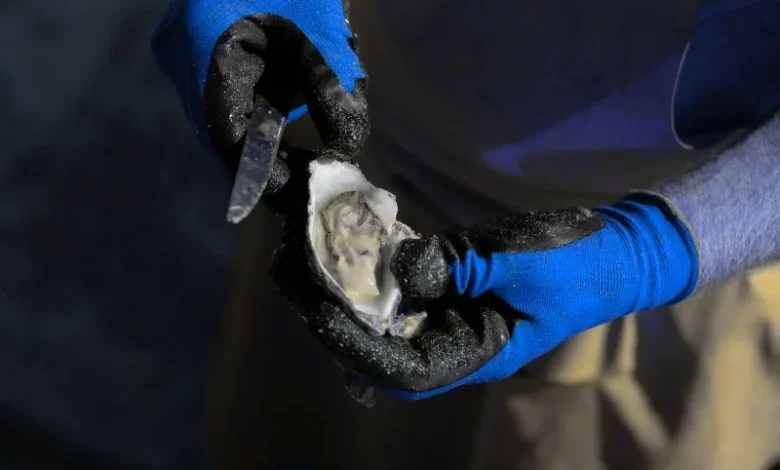
Nobody expects leftovers from a seafood dinner to change a coastline, yet that’s more or less what happened in Florida. Florida Oyster Shell Recycle, Between 2007 and 2024, the state gathered used oyster shells from restaurants and seafood plants and put more than 500,000 tonnes of them back into the Gulf of Mexico. Rather than piling up in landfills, this so-called waste helped rebuild sunken reefs and improved coastal water quality, a result that caught even the scientists behind the project off guard.
Why Oyster Shells Matter for Marine Life
Baby oysters need something hard to cling to before they can grow. Years of overharvesting and pollution had turned much of the Gulf floor soft and sandy, leaving almost nowhere for new oysters to settle. Once cured shells went back into the water, that changed. A few things followed:
- A thin natural film formed on the shells, giving underwater life a place to start
- Calcium released from the shells created small pockets of water chemistry that suited local species
- Around 170 species of fish, crab and shrimp found shelter in the new structures
- The rebuilt reefs softened wave energy, helping protect the shoreline during storms
How the Oyster Reef Restoration Actually Works
None of this happened overnight. Shells sit outdoors for three to six months first, so bacteria and leftover tissue break down naturally. Workers then pack them into mesh bags and lower them at chosen sites along the coast, where oyster larvae gradually attach and settle. It took years before anyone could see real reefs forming, but the patience paid off, with populations recovering at a scale not seen in over two decades.
A Model Coastal Communities Everywhere Can Try
This isn’t just a Florida success story. Fishing towns from Southeast Asia to the Mediterranean deal with the same shrinking reefs, weaker catches and worsening storm damage. Setting up a shell recycling program doesn’t require costly machinery or imported material, just cooperation between local restaurants, seafood markets and conservation groups. Alabama, Texas and Louisiana have already started similar work, and researchers in Europe and Australia are now looking at the same approach for their own shores.
Conclusion – Florida Oyster Shell Recycle
Florida’s experiment with recycled shells shows how something as unglamorous as restaurant waste can become a real tool for ocean recovery. Cleaner water, sturdier coastlines and healthier fish stocks all trace back to one small habit: sending shells back to sea instead of the bin. Any coastal community, anywhere, could start asking the same question Florida did, what waste sitting in our kitchens could the ocean actually use?
Discover the ocean stories shaping our planet.
Can This Project Save Oceans?
Check out the ambitious marine conservation plan.
Could Stranded Ships Spread Invasive Species?
Find out how Hormuz could face risks.
Why Is Deep-Sea Mining Controversial?
Uncover the global fight over seabeds.
Could El Niño Pollute Seafood?
See why changing ocean conditions matter.
What Does Vancouver’s Heat Record Signal?
Explore what 2026’s weather shift reveals.