
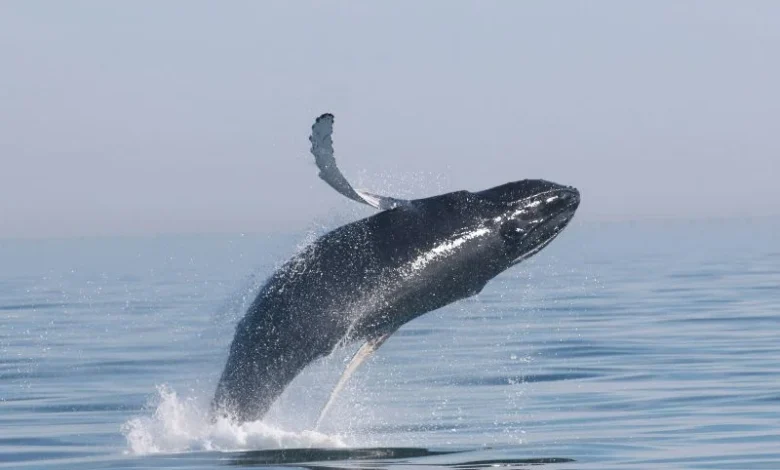
Warmer oceans are already changing how marine animals live, feed and survive, and a new study puts hard numbers behind that worry. Hawaiian humpback whales, Researchers have found that a marine heatwave that gripped the Pacific Ocean a decade ago likely caused a steep, long-lasting drop in the Hawaiian humpback whale population. The whales, it seems, are still struggling to bounce back.
How Scientists Tracked the Decline
Instead of relying on guesswork, researchers went through more than 27,000 photographs of whale tail fins, called flukes, collected between 2002 and 2023. Each fluke has a unique pattern, much like a fingerprint, which let scientists identify individual whales year after year through a public photo-sharing platform.
What they found was troubling:
- The population dropped by 37% between the 2014-15 and 2021-22 breeding seasons.
- Adult survival, once close to 99% each year, fell to around 68% during the heatwave.
- An estimated 5,000 whales simply disappeared from the population.
- Numbers have still not returned to pre-heatwave levels.
Why Warmer Water Hit the Whales So Hard
Every winter, humpbacks travel nearly 4,800 kilometres from cold Alaskan and Canadian waters to breed off Hawaii. That long journey depends on building up enough fat reserves by feeding on krill and small fish. When the heatwave disrupted that food supply, many whales appear to have starved rather than survived the trip or the season.
A Bigger Pattern in a Warming Ocean
This isn’t a one-off story. A similar decline has been observed in gray whales linked to melting Arctic ice, and humpbacks themselves migrate across every ocean on Earth. A disruption in one feeding ground can ripple outward to breeding populations thousands of kilometres away.
The timing feels urgent too. A fresh marine heatwave is now forming across the North Pacific, made worse by a strong El Niño pushing sea temperatures even higher this year.
What This Means Going Forward
- Warmer oceans reduce the small fish and krill whales rely on
- Weakened populations become more exposed to ship strikes and fishing gear
- Long-term photo tracking gives scientists an early warning system
- Repeated heatwaves may stop whale populations from ever fully recovering
Conclusion – Hawaiian humpback whales
This research is a clear signal that rising ocean temperatures don’t just show up on a thermometer, they show up in fewer whales returning each year. With another heatwave already building in the Pacific, the coming seasons will show whether Hawaii’s humpbacks can hold on or fall further behind. The ocean is sending a warning, and it’s one worth paying attention to.
Discover the ocean stories shaping our planet.
Can This Project Save Oceans?
Check out the ambitious marine conservation plan.
Could Stranded Ships Spread Invasive Species?
Find out how Hormuz could face risks.
Why Is Deep-Sea Mining Controversial?
Uncover the global fight over seabeds.
Could El Niño Pollute Seafood?
See why changing ocean conditions matter.
What Does Vancouver’s Heat Record Signal?
Explore what 2026’s weather shift reveals.