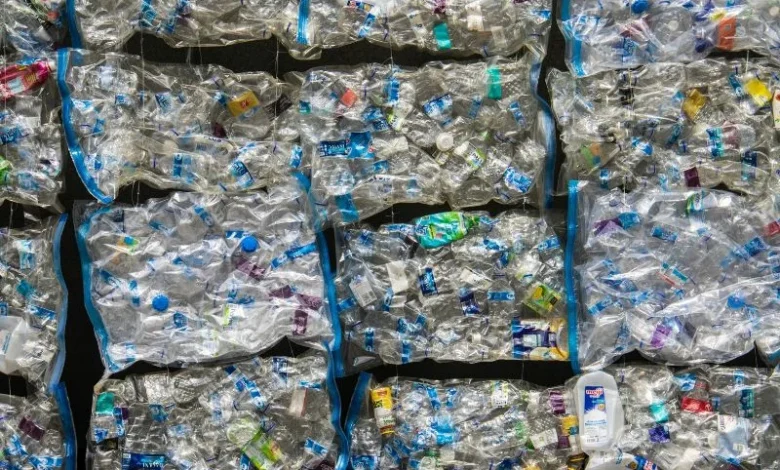
Most of us throw plastic away without a second thought, yet that same plastic waste can sit in landfills or float in oceans for hundreds of years before it breaks down. plastic waste fertilizer, A team of Japanese scientists has now found a way to flip that story around, turning old plastic into working plant fertilizer that crops can actually use.
What Is This New Plastic Fertilizer Technology?
The work comes out of Chiba University, where Associate Professor Daisuke Aoki and his team built a plastic from isosorbide, a compound derived from plant sugar. The catch was that this plastic, on its own, was stiff and cracked easily, which limited how anyone could actually use it. Their fix was to mix in a plasticizer made from the same base ingredient, which made the material soft and bendable enough for real-world jobs like packaging or farm mulch film.
Here’s the clever part: even with this added flexibility, the plastic kept a hidden trick. Treat it with ammonia later, and it breaks down into the building blocks of fertilizer.
According to results shared in the Scientific Reports journal, crops grown with this converted material grew about as well as crops fed with ordinary commercial urea. In other words, the fertilizer wasn’t just a nice idea on paper, it actually worked on real plants.
Why This Matters for a Global Audience
Plastic pollution doesn’t stay in one country, and neither does the struggle to keep soil fertile. This research touches both problems at once:
- Waste that would sit untouched for generations could instead go back into the soil
- Farmers dealing with expensive or hard-to-reach fertilizer supplies may eventually get a cheaper option
- Manufacturers could design packaging with a built-in “end of life” plan instead of letting it pile up in rivers and landfills
- Local governments running plastic-reduction or circular-economy programs have a new idea worth testing
What Happens Next
This is still early-stage lab research. It isn’t sitting on store shelves or spread across farm fields yet. But if it scales up the way the team hopes, everyday items like seedling pots, mulch films, and light packaging could someday be designed to feed soil once their job is done, rather than just becoming more trash.
A Practical Checklist for Following This Story
- Keep an eye on updates from Chiba University and journals such as Scientific Reports
- Watch for pilot programs, especially in farming-heavy regions
- Support recycling or composting efforts already running near you
- Ask packaging companies whether they’re exploring fertilizer-convertible plastics
Conclusion – plastic waste fertilizer
What Aoki’s team has shown is simple but important: the plastic waste piling up around us doesn’t have to stay waste forever. With the right chemistry, it can go back into feeding the plants we depend on, and that’s a small but real reason for optimism on an otherwise gloomy topic.
More stories on extreme weather.
Why Is Bangladesh Facing Flood Risks?
Find the latest climate insights.
What’s Driving India’s Weather Split?
Check out the extreme weather patterns.
Is Sonamarg Travel Safe Today?
Get to know the latest advisory.
How Severe Are China’s Floods?
Browse the latest emergency updates.
Why Is Northeast India Flooding?
Uncover the unusual jet stream effects.