Indonesian Wildfire Emissions Hit World’s Highest Level as Haze Chokes Southeast Asia

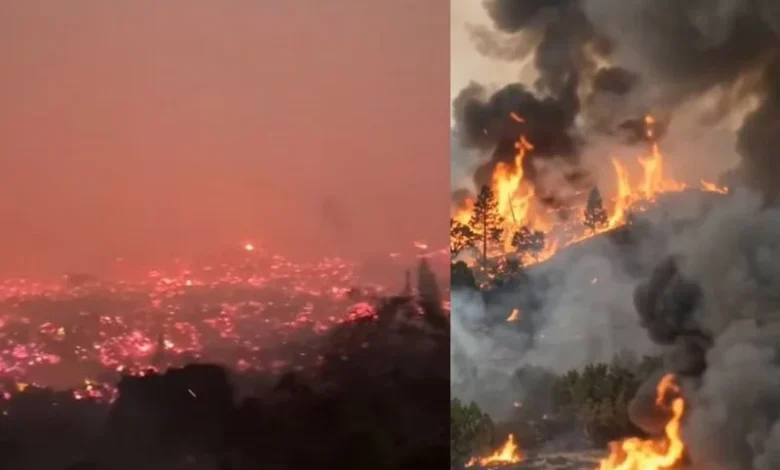
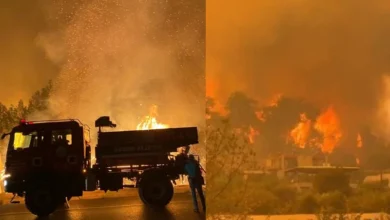
Fires tearing through Indonesia’s forests and peatland have pushed the country’s wildfire emissions to the top of the global chart this week. From September 1 to September 7, Indonesia released roughly 19.7 million metric tons of carbon dioxide from fires, overtaking Russia and accounting for more than a third of the world’s total. It’s the country’s worst fire season in eleven years, and the smoke isn’t staying put.
Why Indonesian Wildfire Emissions Are Rising So Fast
Blame the weather more than anything else. A strong “super El Niño” has brought punishing heat and dryness to Borneo and Sumatra. Peatland that normally stays waterlogged has dried out enough to catch fire easily, and once alight, it can smoulder underground for weeks. That makes these fires far tougher to control than ordinary forest fires.
Early September’s fire intensity was more than ten times higher than Russia’s, with Kalimantan and eastern Sumatra bearing the brunt.
Health Impact Across Borneo, Sumatra and Beyond
The haze has crossed borders already.
- Pontianak in West Kalimantan hit an air quality index of 394, far past the hazardous mark of 300.
- Smoke has drifted over the Strait of Malacca, blanketing Malaysian cities like Kuching.
- Past haze seasons have disrupted schools, flights and outdoor work, and similar strain is building again.
- Hospitals in affected provinces report more breathing complaints, especially among children and the elderly.
What Authorities Are Doing
Indonesia’s environment ministry says it’s watching the hazardous readings “with concern” and tracking Copernicus satellite data, though it cautions this doesn’t always match ground-level air quality. The forestry ministry’s own system, Sipongi, has logged over 13,000 fire hotspots since August 1, more than during the same stretch of the record-breaking 2015 season.
Quick Checklist for Residents
- Check daily air quality on IQAir or a local government app before heading out.
- Keep windows shut and run an air purifier if you have one.
- Wear a proper N95 mask outdoors once the index passes 150.
- Cut back outdoor exercise and children’s play on heavy haze days.
- Follow updates from Indonesia’s BNPB or Malaysia’s Department of Environment.
Conclusion
This year’s numbers still trail the extreme 2015 season, but the health risk and climate cost are real enough that anyone in the region should stay alert and follow local air quality guidance until the rains arrive.
Track the latest climate changes.
Is Your Seafood Becoming Riskier?
Find how El Niño affects ocean pollution.
Why Are Heatwaves Getting Worse?
Check out the link between monsoons and El Niño.
What Happens During Super El Niño?
See the major weather changes ahead.
Could Food Prices Rise Soon?
Uncover how climate affects grocery costs.
How Will Weather Patterns Change?
Get to know this summer’s biggest climate shifts.