
Study from India’s First Wolf Sanctuary Shows When Livestock Are Most Vulnerable to Wolf Attacks

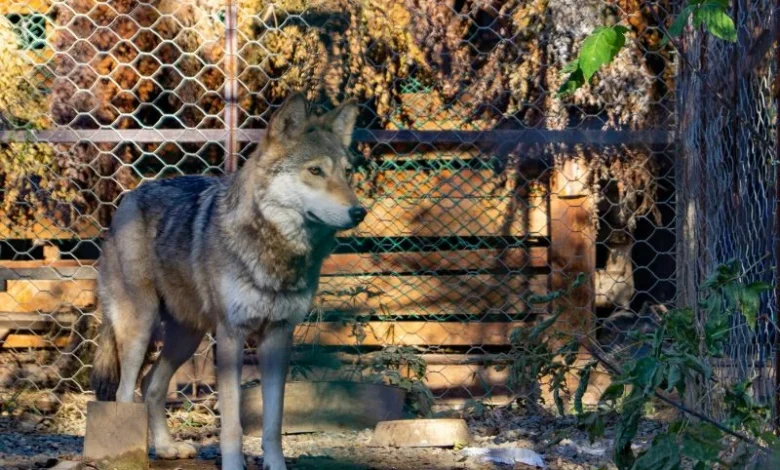
Ask anyone who keeps goats near the Mahuadanr Wolf Sanctuary in Jharkhand, and they’ll tell you losing an animal to a wolf isn’t rare, it’s just part of life. wolf livestock attacks, This is India’s only sanctuary set aside specifically for the Indian grey wolf, and for years nobody had properly studied the attacks happening around it. A new piece of research finally digs into the pattern, showing exactly when farmers need to be most careful, and the findings could help people well beyond this one corner of India.
What Researchers Actually Found on the Ground
Between 2022 and 2024, a team went village to village, 69 of them, talking to 345 households, and cross-checking every claimed attack against physical evidence rather than just taking people’s word for it. Over half the families interviewed had lost livestock to wolves, mostly goats, adding up to losses worth several lakh rupees. The full findings from this peer-reviewed study lay out the numbers village by village.
Night, Winter, and the Forest Edge
The one thing that stood out above everything else was timing. Wolves struck mostly at night and around dawn, and attacks climbed sharply during winter and early summer, which happens to line up with when wolves are raising pups. Animals grazing in open fields or near the treeline were far more exposed than those kept close to home in a proper pen.
Why People Still Aren’t Turning Against the Wolves
Here’s the part that genuinely caught the researchers off guard. Given how common the losses were, they expected anger. Instead, they found patience. Most households still spoke of wolves as something that belonged to the land, not as a problem to get rid of. That kind of tolerance doesn’t happen overnight, it’s built up over generations of quietly practicing human-wildlife coexistence.
- A Few Practical Steps for Farmers
- Bring goats and calves indoors or into a fenced pen before nightfall.
- Be extra cautious during winter and early summer, when attacks spike.
- Keep animals away from forest edges, particularly at dawn and dusk.
- Report any kill right away so it gets properly recorded.
- Ask about local support for building predator-proof enclosures.
Why This Matters Outside India Too
The same rough pattern shows up wherever people and wolves share land, whether that’s parts of Europe, North America, or Central Asia. Attacks cluster around certain hours and seasons almost everywhere, so the fixes that help in Jharkhand, better night shelter, awareness of the denning season, tend to travel well too.
Conclusion – wolf livestock attacks
Nobody’s pretending livestock losses will vanish completely, but this study makes one thing clear: knowing when the risk is highest changes everything. A little better timing and a sturdier pen can go a long way, and that’s a far more workable path than pitting farmers against the very predator they’ve coexisted with for generations.
Explore More: Discover the Ideas and Innovations Shaping Tomorrow
Which Technologies Will Transform Industries Next?
Discover the breakthrough technologies that could reshape traditional industries and the future of work.
Why Are Wetlands So Important Globally?
Explore the world’s most important wetlands and learn why they are vital for nature and humanity.
Can Innovation Improve Renewable Energy Reliability?
Check out the latest innovations making renewable energy cleaner, smarter, and more dependable.
Which Countries Lead Green Living?
Discover the 2026 ranking of the world’s greenest countries and their sustainability achievements.