Disappearing Grasslands Are Quietly Reshaping Bird Populations Worldwide, New Study Shows

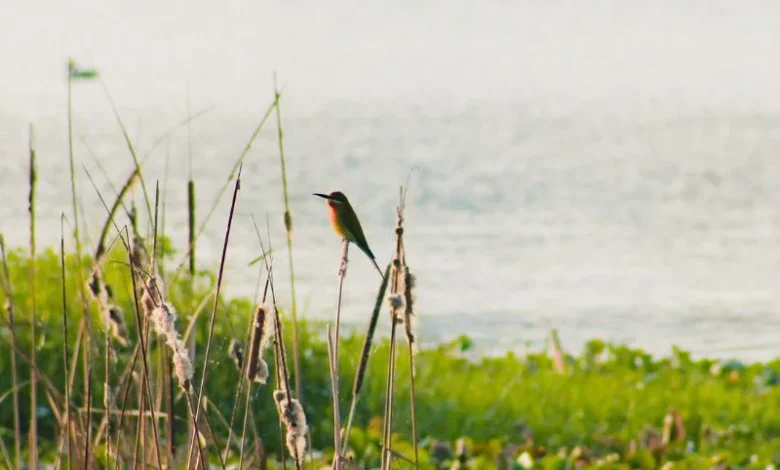
Grassland loss rarely get the same attention as rainforests or coral reefs, yet they support some of the most specialised birdlife on the planet. A new scientific study is now confirming what conservationists have long suspected: when grasslands disappear, birds that depend on them do not simply move elsewhere. They get trapped.
Why Grasslands Matter More Than They Look
Grasslands look empty compared to forests, but that openness is exactly what certain birds need to nest, forage and roost safely. In the shola sky islands of southern India’s Western Ghats, researchers studying seven native bird species found that grassland specialists face far greater difficulty moving across the landscape than forest-dwelling birds do, once woodland cover replaces open grassland.
The pattern is not unique to India. From the North American prairies to the savannas of East Africa and the pampas of South America, grassland-dependent bird species worldwide are seeing their ranges shrink as land is converted for plantations, agriculture and settlement.
What The Research Actually Found
The study modelled bird movement across roughly 2,900 square kilometres of high-elevation habitat, focusing on how habitat connectivity shapes species survival. Two clear patterns emerged:
- Both forest and grassland birds tend to avoid areas dominated by farms, plantations and towns.
- When grasslands are invaded by trees rather than farmland, forest birds actually find it easier to move around, while grassland specialists lose connectivity almost everywhere.
One species in particular, a small ground-dwelling bird found only in this region, showed the sharpest decline in movement and population, echoing findings from separate long-term studies in the same landscape.
Why This Should Concern People Far Beyond the Local Region
Grassland loss is not only a wildlife story. These habitats hold soil in place, regulate water flow into streams, and support pastoral and farming communities who depend on open land. Losing grassland habitat cover gradually reduces water retention and soil quality, effects that reach well beyond the birds themselves.
What Can Be Done
Restoration efforts are already showing results in several countries. A few realistic steps that communities, landowners and policymakers can support:
- Prioritise removing invasive tree species from historically open grassland areas.
- Support locally led restoration projects rather than blanket tree-planting schemes.
- Protect habitat corridors that allow grassland species room to move between fragments.
- Back long-term monitoring so declining species are identified before populations collapse.
- Involve local communities and researchers in identifying priority restoration zones.
Conclusion – grassland loss
Grasslands may not carry the same visual drama as a rainforest canopy, but the birds that live nowhere else depend entirely on them staying open and connected. Protecting what remains, and restoring what has been lost, is a far more achievable goal than most environmental challenges the world faces today. The quiet disappearance of grasslands deserves the same urgency as the disappearance of forests.
Explore More: Discover the Ideas and Innovations Shaping Tomorrow
Which Technologies Will Transform Industries Next?
Discover the breakthrough technologies that could reshape traditional industries and the future of work.
Why Are Wetlands So Important Globally?
Explore the world’s most important wetlands and learn why they are vital for nature and humanity.
Can Innovation Improve Renewable Energy Reliability?
Check out the latest innovations making renewable energy cleaner, smarter, and more dependable.
Which Countries Lead Green Living?
Discover the 2026 ranking of the world’s greenest countries and their sustainability achievements.
How Are Cities Fighting Climate Change?
Explore the cities investing in climate-resilient infrastructure to