
Austria is a country built on the promise of abundant water, mountains, glaciers and rivers, which power one of Europe’s largest clean energy systems. But the promise is being put to the test in 2026. Danube hydropower, Water levels on the Danube river are rising, hurting hydropower production , and experts say it could be the start of a longer-term water challenge rather than a one-off dry spell.
What’s happening on the Danube?
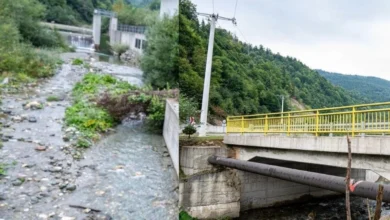
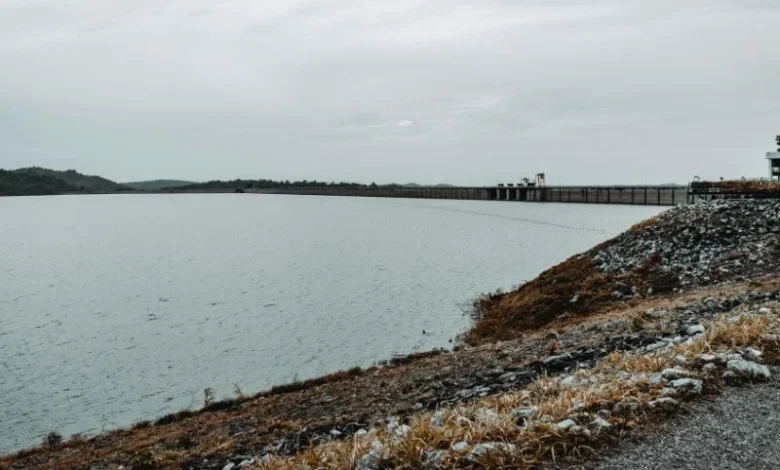
At the Greifenstein hydro plant near Vienna, a faded white waterline more than a meter above the present level of the river tells the story better than any chart. A restaurant that once floated on water is now on dry, cracked mud. Austrian utility Verbund, a major hydropower user, says water levels are the lowest since records began about 100 years ago.
Usually the river carries about 2,000 cubic meters of water every second. That number is closer to 700 today, down almost two-thirds. “Overall hydropower output from Verbund in the first half of 2026 was 32 percentage points below the long-term average, a steep decline for a country that usually generates the bulk of its electricity from hydropower.
Austria’s New Water Challenge: That’s Why
The reason is simple but serious: there was hardly any snow during the winter of 2025 to 2026, and the precipitation that did occur came down as rain. Usually, the Danube is replenished by spring and summer snowmelt, so without that, the river’s levels have been steadily falling during hot, dry months. This is more than just the story of electricity. Low river levels affect shipping, irrigation, drinking-water reserves and industries requiring cooling water.
Why it matters beyond Austria
Austria’s plight is a warning to other water-rich regions of the world. Countries that have long been accustomed to steady rain and snowmelt now find themselves facing the same climate pressures once the province of dry areas.
What it means for the average person and for business
1. Hydropower output in dry years could therefore lead to more volatility in electricity prices.
2 For farmers and shippers on the Danube, that could mean disruptions in irrigation and transport.
3. Water utilities may need to prepare for reserves similar to what energy grids plan for shortages.
4. Not just energy policy, regional governments may need new water management rules.
5. Contingency plans will be needed for companies that use river cooling or transport in low-water years.
A Practical Takeaway – Danube hydropower
The Austrian experience teaches us that water security and energy security are now one and the same conversation. A country whose national anthem is about its rivers is discovering that in a warming world even abundant water has limits. In the future, diversifying energy sources and tracking river data are not optional steps but are becoming essential elements of national and household resilience.
Explore the future of clean energy.
Are Tokyo’s EV Plans Working?
Check out the impact of green transport policies.
How Is Kenya Going Green?
Find Africa’s latest renewable energy success.
Can Hydrogen Boost Carbon Capture?
Uncover the latest clean energy research.
Which Green Tech Leads Tomorrow?
See the biggest sustainability trends ahead.
Why Is Solar Winning Today?
Reveal why solar now beats fossil fuels.