World Elephant Day: Why International Collaboration Is Key to Advancing Elephant Care

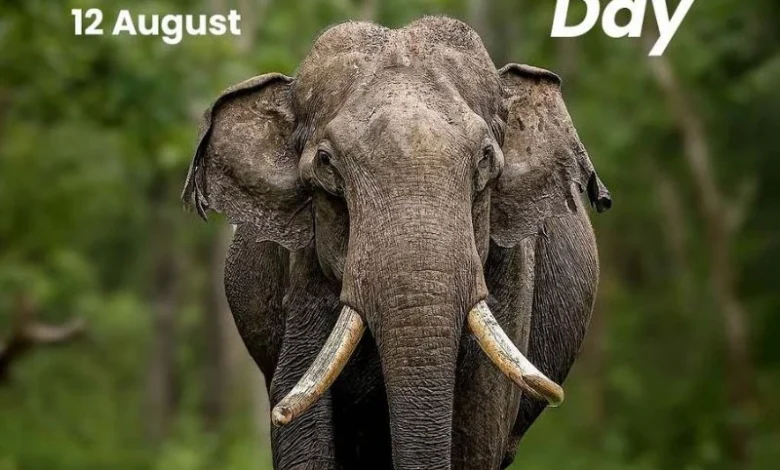
Elephants do not recognize borders, nor do the threats they face. That simple fact is how World Elephant Day, celebrated every year on August 12, has reinvented itself from an awareness campaign to a global movement of shared responsibility. The theme for this year, which is centered on the need to unite the world to help elephants, is a reminder that no one country or organization can do it all to protect these animals.
A Global Problem Needs a Global Solution
Poaching, shrinking habitats and escalating conflict with farming communities continue to put pressure on African elephant numbers, and Asian elephants are already listed as endangered. These are not national problems. Ivory trade routes go across oceans, habitat corridors cross many countries and captive elephants are often moved around for tourism or work. That is why meaningful elephant conservation relies on sharing information, funding and expertise between countries, wildlife groups and local communities rather than operating in separate silos.
What international collaboration really looks like
Real progress is rarely made with big announcements. It is done through real-world partnerships such as:
• Rescue organizations are working with international veterinary and welfare consultants to improve the care of injured or traumatized elephants.
• Countries coming together to ban the ivory trade, following the lead of China when it closed its domestic ivory market in 2018.
• We share research between sanctuaries and zoos about nutrition, enrichment and psychological care.
• Governments and NGOs fund anti-poaching patrols and ranger training programs.
• We help local communities to avoid human-elephant conflict without harming either.
A recent example is an Indian rescue group that is working with an international welfare consultancy to improve long-term care for elephants recovering from abuse or captivity, demonstrating how cross-border expertise can directly improve the quality of life of an individual animal.
Why It Matters Outside the Conservation Bubble
And everyday people play a role too. Refusing to buy ivory products, supporting sanctuaries instead of entertainment venues that exploit elephants, and spreading the word about accurate information all put pressure on markets and policies that are international in scope. Legislation always follows awareness and it is often the public’s demand that pushes governments to act on wildlife protection agreements.
A Basic Checklist for Getting Involved
• Do not purchase ivory or products of uncertain origin.
• Visit or support sanctuaries that are welfare, not performance-focused.
• Follow and share transborderly working credible conservation organizations.
• Ask local schools or community groups to help mark World Elephant Day through awareness activities.
• Back policies that support international wildlife protection agreements.
Conclusion
The threats to elephants are continental in scale and so too must be the solutions. The best way to help elephants live safer, healthier lives everywhere is through international collaboration among researchers, governments, sanctuaries, and everyday citizens. This World Elephant Day, know that safeguarding these giants is not a one-country job. It is everybody’s.
Discover smarter ways to go green.
How Can You Cut Emissions?
Check out simple ways to reduce your footprint.
How Much Energy Does AI Use?
Find the hidden environmental costs.
Which Small Habits Make Difference?
Uncover easy actions with big impact.
How Green Is Film Production?
Dive into cinema’s environmental footprint.
What Are The Best Eco Steps?
Explore practical ways to lower emissions.