Guatemala’s Fuego Volcano Erupts: Why Are Nearby Communities Being Evacuated?
Authorities respond as Fuego Volcano Eruption threatens nearby communities with ash and lava. Learn why evacuations are underway. Read more now!

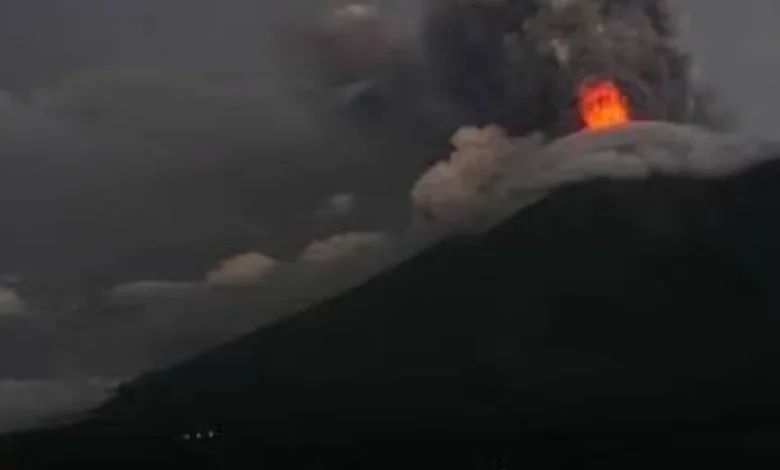
The Fuego volcano in Guatemala has grown more fierce, spewing ash, lava and hot volcanic material down its sides. Officials have begun evacuating residents from other nearby communities to safer areas. The Fuego volcano eruption underscores the ongoing risks for residents living near one of Central America’s most active volcanoes.
What’s going on at Fuego volcano?
Fuego is an active stratovolcano some 50 kilometres southwest of Guatemala City. It has erupted many times and frequently has smaller explosions. But there has been activity in the last few days with more lava coming out, ash and hot flows moving down the volcano.
For people who live nearby, the danger can grow quickly. Volcanic eruptions can increase rapidly, so early warnings and evacuation plans are especially important.
So, authorities have put measures in place to avoid a more dangerous situation rather than wait for it to develop, in response to the latest Guatemala volcano eruption.
Why Are Communities Being Evacuated?
The primary evacuation hazard is the threat from fast-moving volcanic flows. These streams contain very hot gases, ash and rock. They dart quickly through the valleys and passages around a volcano.
Ashfall causes further trouble. It makes it hard to see, hard to breathe, water can get contaminated, roofs will be under pressure. Roads can also become unusable, making evacuation more difficult if people wait until the last moment.
Authorities have evacuated residents from at-risk areas to temporary shelters as a precaution.
Why This Matters Outside of Guatemala
Globally, volcanic eruptions are a natural hazard. The World Bank says more than 1.3 billion people live within 100 kilometres of an active volcano. Fuego therefore provides a prime example of how communities worldwide can ready themselves for a sudden volcanic emergency.
There are millions of people living near active volcanoes, from Indonesia and the Philippines to Japan, Italy and parts of the Americas. The lessons learned in Guatemala are applicable in all communities that face similar risks.
With increased eruptions, early warning, public education and clear evacuation routes can reduce loss of life.
How Can People Be Safe During an Eruption?
If you live near an active volcano, pay attention to local emergency services, not social media updates from people you don’t know.
Key steps are:
•When told to evacuate by authorities, get out immediately.
•Have important documents, medicines and water prepared.
•Keep away from valleys, rivers, and volcanic channels.
•Wear a mask or other suitable face covering if there is heavy ashfall.
•Keep doors and windows closed during ashfall.
•Regularly check official emergency updates.
•Stay where you are until authorities say it is safe to go home.
How are the authorities monitoring Fuego?
Guatemala’s disaster management agency CONRED cooperates with the country’s geological and meteorological institute INSIVUMEH to monitor volcanic eruptions. Experts monitor explosions, ash flows, lava movement and other changes.
This monitoring allows emergency teams precious time to warn communities. But volcanic systems can change rapidly, so residents need to stay prepared even when activity slows down for a while.
Conclusion
The Fuego volcano eruption is a grave emergency locally, but the larger lesson is global. Communities near active volcanoes can’t always know exactly when the conditions will turn for the worse. Controlled evacuation, reliable warnings, and public preparedness can turn an emergency into a major disaster.
Stay informed on nature’s biggest global events.
How Active Is Russia’s Volcano?
Find out what triggered this rare volcanic eruption after the powerful earthquake.
Could Japan Face Another Disaster?
Dive into Japan’s ongoing efforts to tackle earthquakes and volcanic threats.
Is Vanuatu Safe To Visit?
Check out the latest travel guidance after the recent major earthquake.
Why Is The Ozone Recovering?
Uncover what the smaller Antarctic ozone hole means for the environment.
How Vital Is Ayeyarwady River?
Look into why protecting Myanmar’s lifeline is crucial for communities and nature.