Oxygen Is Disappearing From the World’s Waters: Why Are Aquatic Ecosystems Running Out of Breath?

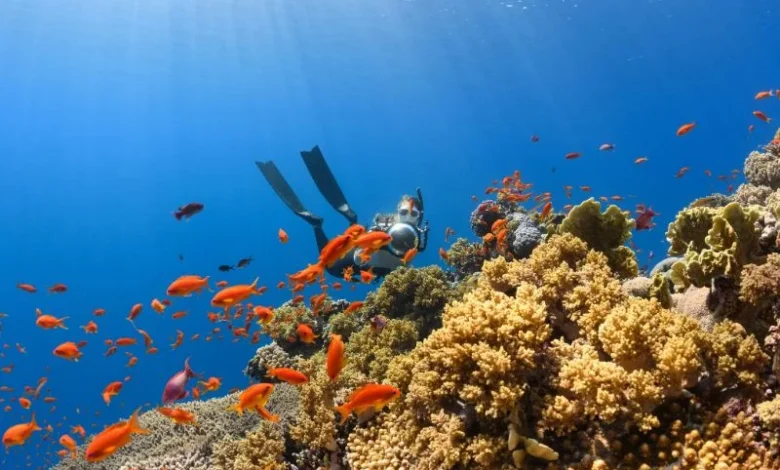
Somewhere a fish is panting for air under a placid blue surface. From busy fishing towns in Southeast Asia to slow lakes in Europe, water is slowly draining of the oxygen it needs to support life under the waves. Aquatic Deoxygenation, Scientists call this “ocean deoxygenation,” and it is now recognized as one of the least discussed and yet most serious environmental issues of our time.
What do you mean by aquatic deoxygenation?
In short, aquatic deoxygenation is the gradual disappearance of dissolved oxygen from water bodies like oceans, coastal seas, rivers and lakes. Fish, crabs, shellfish and coral reefs need this oxygen just as we need air. They can’t survive if oxygen gets too low, and whole ecosystems begin to break down.
Researchers estimate that the world’s oceans have lost about 2 percent of their dissolved oxygen since the middle of the 20th century, and the rate of loss is accelerating. There are now more than 200 sites around the world where the waters are so depleted of oxygen that most marine life cannot survive in them—a condition known as hypoxia.
Why Is This Happening?
Two forces that are draining the life out of our waters:
• Warm water contains less oxygen. Warmer seas and rivers can hold less dissolved oxygen as temperatures rise, like a warm glass of soda goes flat faster than a cold one.
• Nutrient pollution causes algae blooms. Fertiliser run-off, raw sewage and industrial waste all feed explosive growth in algae. When the algae die, bacteria eat them up.
• This takes up huge amounts of oxygen, creating so-called “dead zones.”As the water warms, it stratifies, or forms layers, preventing oxygen-rich surface water from mixing with deeper water, which becomes starved of oxygen.
Who does the first damage?
“Communities on the coast and in fisheries are on the front lines. Small-scale fisheries are put out of work, seafood prices rise, and families that depend on fish as an affordable source of protein experience food insecurity as fish stocks are displaced or die off in hypoxic areas. Warming seas are putting additional stress on already stressed coral reefs. The same is happening to freshwater fisheries in rivers and lakes, and this is also impacting communities living inland.
What Can We Do
Communities and individuals can strive to support practical steps that:
• Encourage local rules that require treatment of waste water before it is discharged into rivers and coastal waters.
• Use less fertilizer on farms and in home gardens. Run-off causes algae blooms.
• Help to restore mangroves and wetlands—they naturally filter out pollutants and increase oxygen levels.
• Opt for seafood from certified sustainable fisheries whenever you can.
• He said, “Heed local advisories about water quality the same way you heed weather advisories.
A problem that won’t solve itself easily
The damage from the loss of oxygen could take centuries to heal, and full recovery may not occur in our lifetimes, scientists warn. Scientists are calling on governments to start monitoring dissolved oxygen as a key indicator of ecosystem health before dead zones cause irreversible damage.
Conclusion
While you can’t see it from the shore, the loss of oxygen in our oceans, rivers and lakes is already affecting dinner tables, fishing boats and coastal economies all around the world. Water quality protections today and local conservation work can help aquatic systems breathe easier tomorrow. Our health is water’s health.Our waters are choking and the time to act is now, not after the fish are gone.
Explore more future-ready stories.
How Will Korea Cut Carbon?
Check out the coal phase-out strategy.
Which Countries Beat Urban Heat?
Find the leading cooling initiatives.
Which Cities Are Climate Ready?
Browse the smartest infrastructure projects.
Where Can Vegans Eat Best?
Discover top plant-based food destinations.
Which Cities Redefine Public Spaces?
See the world’s most innovative urban designs.