
A Rare Double Feature Lights Up the August Night Sky: Solar Eclipse Meets Meteor Shower
Witness a rare August sky event as a solar eclipse and meteor shower occur together. Discover viewing tips, timing, and what makes this celestial show unique.

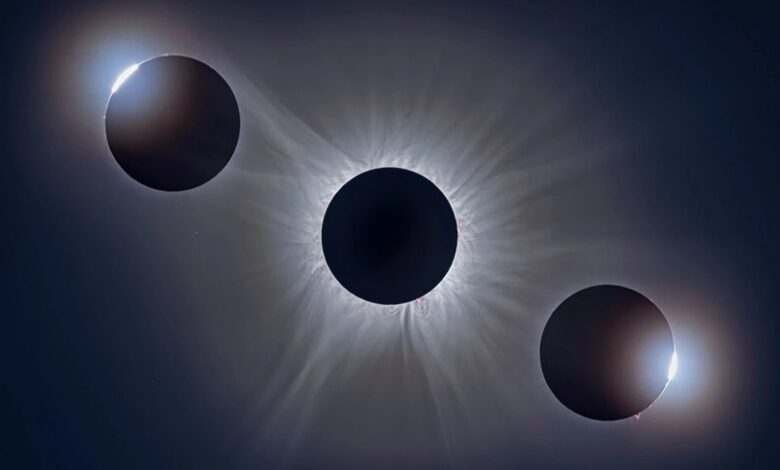
Skywatchers around the world are in for a treat this month. On August 12, 2026, a total solar eclipse will sweep across parts of Europe and the Arctic, and later that same night, the annual Perseid meteor shower will reach its peak. It is unusual for two major sky events to land on the same calendar day, and this pairing has astronomers and casual stargazers equally excited.
Why This Eclipse Is a Big Deal
This will be the first total solar eclipse visible anywhere on Earth since 2024. The path of totality, where the Moon fully covers the Sun, runs through Spain, Portugal, Iceland and Greenland, with totality lasting up to two minutes and eighteen seconds. Outside that narrow path, a partial eclipse will be visible across most of Europe, Canada, Alaska and parts of the northeastern and midwestern United States. Even a partial eclipse is worth watching, though it must always be viewed through certified eclipse glasses or a solar filter, never with the naked eye.
The Perseid Meteor Shower Peaks the Same Night
Hours after the eclipse ends, the Perseid meteor shower reaches its peak. This shower is one of the most popular of the year because it often produces bright fireballs and glowing trails. Because the eclipse happens on a new moon, the sky that night will be exceptionally dark, with no moonlight to wash out fainter meteors. Under clear, low-light conditions, viewers could see anywhere from sixty to a hundred meteors an hour.
How to Watch From Anywhere in the World
- Check local eclipse and moonrise timings using a trusted astronomy website or app, since visibility varies by region.
- Use certified solar eclipse glasses for any part of the eclipse; regular sunglasses are not safe.
- For the meteor shower, find a spot away from city lights and give your eyes at least twenty minutes to adjust to the dark.
- Look toward the northeast sky after midnight for the best meteor viewing.
- Dress warmly and bring a reclining chair or blanket, since meteor watching works best lying back and scanning the whole sky.
- Follow weather forecasts closely, as cloud cover is the biggest threat to visibility in most regions.
Explore more future-ready stories.
How Will Korea Cut Carbon?
Check out the coal phase-out strategy.
Which Countries Beat Urban Heat?
Find the leading cooling initiatives.
Which Cities Are Climate Ready?
Browse the smartest infrastructure projects.
Where Can Vegans Eat Best?
Discover top plant-based food destinations.
Which Cities Redefine Public Spaces?
See the world’s most innovative urban designs.
A Night Worth Marking on Every Calendar
Whether you catch the eclipse in person along its path or simply step outside after dark to watch the Perseids streak overhead, August 12 offers something rare: two of the sky’s best shows in a single day, visible without a telescope. Set a reminder, find an open sky, and look up.