Why Everyone Suddenly Wants to Try Forest Bathing
Forest Bathing helps reduce stress, improve sleep and support mental wellness through mindful time in nature, making it an easy healthy habit today.

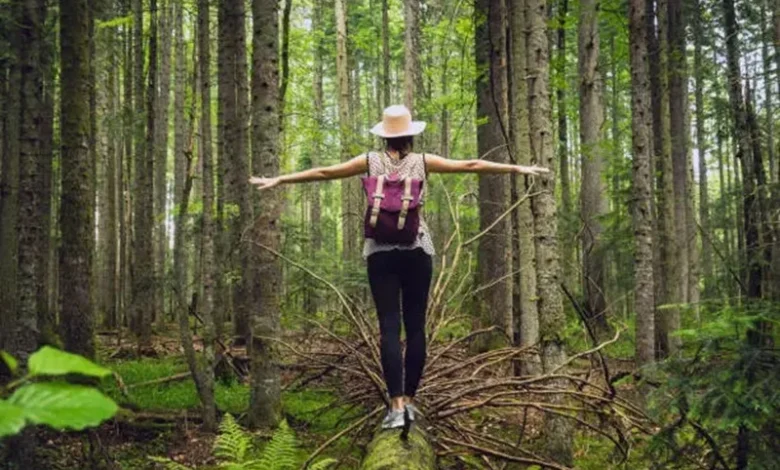
A walk in the woods used to be that. And now it has a name, a following and a growing body of science behind it. Forest bathing, or shinrin-yoku, is popping up in wellness apps, doctor recommendations and social media feeds from Tokyo to Toronto. So what is it and why is it suddenly everywhere?
What Does Forest Bathing Really Mean?
No one gets wet, despite the name. Forest bathing is simply walking slowly through a wooded area and paying close attention to what you see, hear and smell. No destination. No fitness goal. The concept originated in Japan in the 1980s as a public health response to overwork and screen fatigue and has now spread around the world as more people look for low-cost ways to combat stress.
The Science Is Coming Up to Speed
Recent research from Brazil, Italy and Asia has linked regular time spent among trees with lower cortisol, more stable blood pressure and better sleep. Research has also found that time spent in forests with guidance alters immune markers and relaxes the nervous system. That’s not to say forest bathing can replace medical care, but it does explain why hospitals and wellness clinics in several countries are now recommending it alongside standard treatment.
How It Fits Into Daily Life
You don’t need much to go forest bathing, unlike joining a gym or going to a wellness retreat. This is important for readers who live in areas with limited access to paid fitness options or where smartphones – not gyms – are the primary tool for tracking health. A city park, a trail along the river or even a tree-lined street will do. In many countries, there are free apps to find trails, national park maps, or community walking groups that will help you find a green space in the area.
A simple checklist to begin with
•Select a park, trail or garden that has some tree cover and is ideally within walking distance.
•Switch your phone to silent or place it in your bag for a minimum of twenty minutes.
•Walk slower than usual; listen to sounds, smells and light.
•Have a seat for a few minutes; do not just pass by.
•Go regularly; once a week is enough to see a difference.
•Look on local park or forestry websites for guided sessions; some are free or low cost.
A Practical Way Forward
Forest bathing is not a cure and it won’t replace proper healthcare. But it’s one of the few wellness practices that’s free, needs no gear, and can be done almost anywhere there are trees. In 2026, more clinics and city planners will take it seriously. The message is simple: find some green space near you, slow down and start walking.
The one-line takeaway: You don’t have to go to a forest to get the benefits of forest bathing, just a nearby patch of trees and twenty unhurried minutes.
More Wellness & Lifestyle Reads
Which Wellness Resorts Stand Out?
Browse the world’s top wellness escapes.
How Will Work Change Ahead?
Discover the trends shaping future workplaces.
Why Book Eco Resorts Now?
Check out this week’s best travel savings.
Drinking Enough Water Every Day?
Find the warning signs of dehydration.
Is AI Hurting The Planet?
Uncover the hidden environmental impact of AI.