15 Cities Building Climate-Resilient Infrastructure
Explore 15 cities building climate-resilient infrastructure with flood protection, green projects, and smart urban planning to combat climate change worldwide.

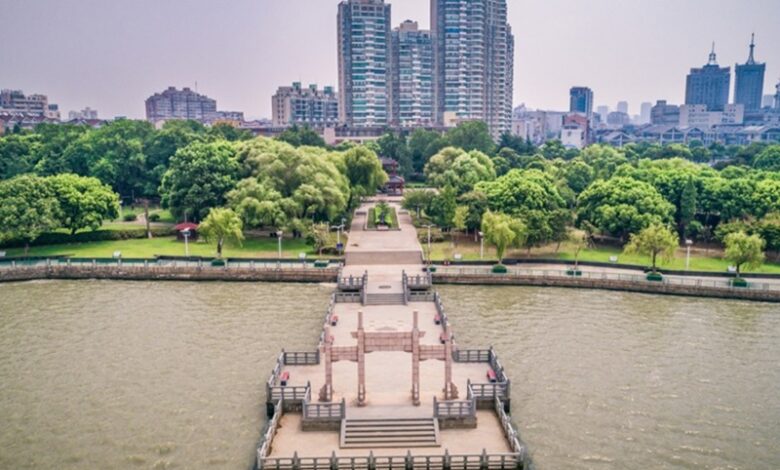
As climate change increases the risk of floods, heatwaves, storms, and rising sea levels, cities around the world are investing in climate-resilient infrastructure. These projects aim to protect people, strengthen public services, and reduce the impact of extreme weather events. From flood barriers to green roofs and smart drainage systems, many cities are becoming models of urban resilience.
1. Rotterdam, Netherlands
Rotterdam is known for its innovative flood protection systems, floating buildings, and water plazas that help manage heavy rainfall.
2. Copenhagen, Denmark
Copenhagen is developing climate-resilient streets, parks, and drainage systems to reduce flood risks caused by extreme rainfall.
3. Singapore
Singapore has invested in green buildings, urban forests, smart water management, and coastal protection to prepare for future climate challenges.
4. New York City, United States
Following Hurricane Sandy, New York expanded coastal defenses, upgraded drainage systems, and improved flood resilience across vulnerable neighborhoods.
5. Tokyo, Japan
Tokyo has built massive underground flood tunnels, advanced drainage systems, and earthquake-resistant infrastructure.
6. London, United Kingdom
London continues to strengthen flood protection through the Thames Barrier while expanding green spaces and sustainable urban development.
7. Melbourne, Australia
Melbourne focuses on urban cooling projects, water-sensitive design, and increased tree coverage to reduce heatwaves.
8. Paris, France
Paris is creating more green spaces, planting thousands of trees, and redesigning streets to reduce urban heat and improve air quality.
9. Seoul, South Korea
Seoul has restored rivers, expanded parks, and developed smart flood management systems to improve climate resilience.
10. Shanghai, China
Shanghai is implementing the “Sponge City” concept, using parks, wetlands, and permeable surfaces to absorb rainwater and reduce flooding.
11. Miami, United States
Miami is raising roads, installing stronger pumping systems, and improving coastal defenses to address sea-level rise.
12. Jakarta, Indonesia
Jakarta is constructing seawalls, upgrading drainage infrastructure, and relocating vulnerable communities to reduce flood risks.
13. Hamburg, Germany
Hamburg combines flood protection barriers with climate-friendly urban planning and sustainable waterfront development.
14. Vancouver, Canada
Vancouver is investing in green infrastructure, sustainable transportation, and coastal adaptation projects to prepare for climate change.
15. Chennai, India
Chennai is restoring lakes and wetlands, improving stormwater drainage, and expanding urban green spaces to reduce flooding and enhance water security.
Stay ahead with more climate insights and expert discoveries.
Why Do Biodiversity Hotspots Matter?
Check out how nature helps fight climate change naturally.
Why Is Karachi Facing Rising Risks?
Uncover why climate threats are growing across the city.
Why Are Monsoons So Unpredictable Now?
Dive into how climate change is reshaping seasonal rainfall.
Can Climate Change Harm Your Heart?
Get to know how extreme weather affects cardiac health.
How Do Scientists Trace Climate Disasters?
Find how attribution science connects disasters to climate change.
Conclusion
Cities around the world are adapting to climate change by investing in smarter, greener, and more resilient infrastructure. These efforts not only reduce the impact of extreme weather but also improve public health, environmental quality, and the overall quality of urban life.
FAQs
Q: What is climate-resilient infrastructure?
A: Climate-resilient infrastructure is designed to withstand and adapt to climate-related risks such as floods, heatwaves, storms, and rising sea levels.
Q: Which city is considered a leader in climate resilience?
A: Rotterdam is widely recognized for its advanced flood management systems and innovative water-based urban planning.
Q: What is a Sponge City?
A: A Sponge City uses green spaces, wetlands, permeable pavements, and water storage systems to absorb and manage rainwater naturally.
Q: Why are cities investing in climate-resilient infrastructure?
A: Cities are preparing for increasing climate risks, protecting communities, reducing economic losses, and improving long-term sustainability.