

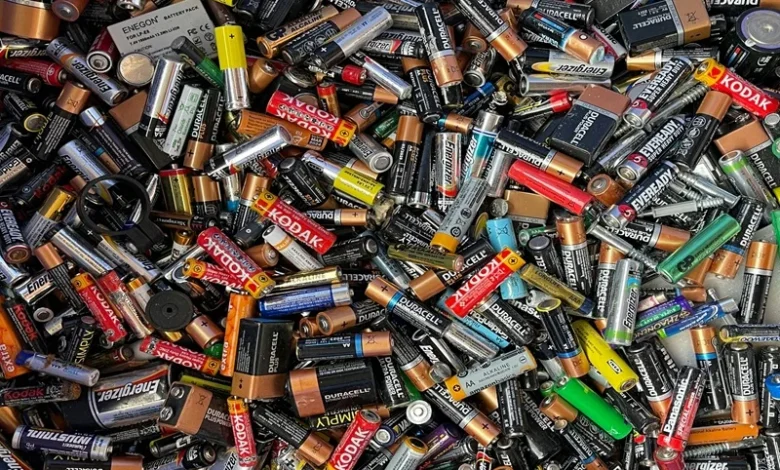
Battery technology is advancing rapidly as the world shifts toward electric vehicles, renewable energy, and portable electronics. Researchers and manufacturers are developing batteries that charge faster, last longer, and use safer, more sustainable materials. These innovations could transform how we power our homes, vehicles, and devices in the coming years.
1. Solid-State Batteries
Solid-state batteries replace liquid electrolytes with solid materials, offering improved safety, faster charging, and higher energy density.
2. Sodium-Ion Batteries
Sodium-ion batteries use abundant sodium instead of lithium, making them a promising low-cost alternative for energy storage.
3. Silicon-Anode Batteries
Replacing graphite with silicon in battery anodes can significantly increase energy storage capacity and improve battery performance.
4. Lithium-Sulfur Batteries
Lithium-sulfur batteries have the potential to store more energy than conventional lithium-ion batteries while reducing battery weight.
5. Fast-Charging Technology
New battery designs are reducing charging times, allowing electric vehicles and electronic devices to recharge much more quickly.
6. Battery Recycling
Advanced recycling methods recover valuable materials such as lithium, cobalt, and nickel, reducing waste and supporting sustainable battery production.
7. Iron-Air Batteries
Iron-air batteries are being developed for large-scale energy storage, helping store renewable energy for extended periods at a lower cost.
8. Flexible Batteries
Thin and bendable batteries are opening new possibilities for wearable devices, smart clothing, and flexible electronics.
9. Wireless Battery Charging
Wireless charging systems continue to improve, making it easier to recharge smartphones, electric vehicles, and other electronic devices without cables.
10. AI-Optimized Battery Management
Artificial intelligence is helping monitor battery health, optimize charging cycles, and extend battery life through smarter energy management.
Why These Innovations Matter
These breakthroughs could provide:
- Longer battery life
- Faster charging times
- Lower manufacturing costs
- Improved safety
- Better renewable energy storage
- Reduced environmental impact
Explore more smart tech and heat tips.
Why Do Solar Panels Slow?
Find the hidden heat efficiency rule.
How Can You Stop Hail Damage?
Check out simple panel protection tips.
Why Does Solar Output Drop?
See how to prevent inverter overheating.
Which Internet Trends Matter Most?
Browse the biggest digital innovations.
What Should Stay Out Cars?
Learn what heat can quickly damage.
Conclusion
Battery innovation is playing a key role in the global transition to cleaner energy and electric transportation. As new technologies move from research labs to commercial products, they have the potential to make batteries more affordable, efficient, and environmentally friendly, supporting a more sustainable future.
FAQs
What is the biggest breakthrough in battery technology?
Solid-state batteries are considered one of the most promising developments because they offer higher energy density and improved safety.
Why are sodium-ion batteries important?
They use abundant and lower-cost materials, making them a potential alternative to lithium-ion batteries.
Can battery recycling reduce waste?
Yes. Recycling helps recover valuable materials and reduces the need for new mining.
What are iron-air batteries used for?
They are mainly being developed for large-scale renewable energy storage.
How does AI improve battery performance?
AI can monitor battery health, optimize charging, reduce wear, and extend the overall lifespan of batteries.