

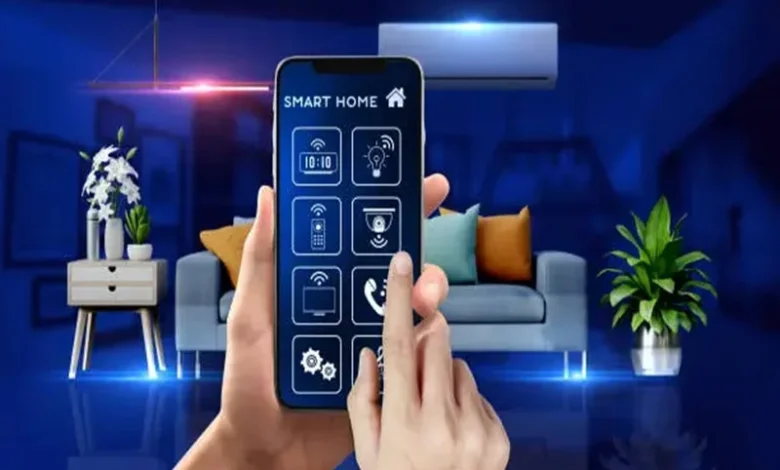
Smart homes are becoming increasingly popular as homeowners look for ways to reduce electricity costs and improve energy efficiency. By using connected devices that automatically manage lighting, heating, cooling, and appliances, smart homes help reduce unnecessary energy consumption without sacrificing comfort.
What Is a Smart Home?
A smart home uses internet-connected devices that can be controlled through a smartphone, tablet, or voice assistant. These devices can automate daily tasks, monitor energy use, and adjust settings based on your habits.
Ways Smart Homes Reduce Energy Bills
1. Smart Thermostats
Smart thermostats automatically adjust the temperature based on occupancy and weather conditions, reducing unnecessary heating and cooling.
2. Smart Lighting
LED smart bulbs can be scheduled to turn on or off automatically and switched off remotely if left on by mistake.
3. Smart Plugs
Smart plugs cut power to devices that are not in use, reducing standby electricity consumption.
4. Energy Monitoring
Smart energy monitors track electricity usage in real time, helping homeowners identify which appliances consume the most power.
5. Automated Appliances
Smart washing machines, dishwashers, and water heaters can operate during off-peak hours when electricity rates are lower in areas with time-based pricing.
6. Smart Blinds and Curtains
Automated blinds reduce heat entering the home during summer and help retain warmth during winter, lowering heating and cooling costs.
7. Solar Integration
Many smart homes connect with rooftop solar panels and battery storage systems to maximize the use of renewable energy.
Benefits Beyond Lower Bills
Smart homes also offer:
- Greater convenience
- Improved home security
- Better energy efficiency
- Remote control of household devices
- Reduced environmental impact
Protect your home with smarter upgrades.
Are Solar Panels Hailproof Today?
Check out simple protection tips.
Can Dust Damage Solar Panels?
Find essential safety checks today.
How To Prevent Hail Damage?
See ways to protect your panels.
Is A Smart Roof Worth It?
Explore costs and energy savings.
Which Roof Stays Coolest?
Compare the best heat-resistant materials.
Conclusion
Smart home technology helps homeowners lower electricity bills by reducing wasted energy and improving the efficiency of everyday appliances. While installing smart devices requires an initial investment, many households recover the cost over time through lower utility bills and improved energy management.
FAQs
What is a smart home?
A smart home uses connected devices that can be controlled remotely or automatically to improve convenience and energy efficiency.
Which smart device saves the most electricity?
Smart thermostats often provide the biggest savings by reducing unnecessary heating and cooling.
Can smart lighting reduce electricity bills?
Yes. Smart LED bulbs use less electricity and automatically switch off when not needed.
Are smart homes expensive to set up?
Costs vary depending on the devices you choose, but you can start with affordable options like smart plugs and smart bulbs.